The Beauty and Fluidity of Zhia Hadid's Architecture
Good evening, everyone:
Let me see if I can stretch avoidance of discouraging news into another day/night.
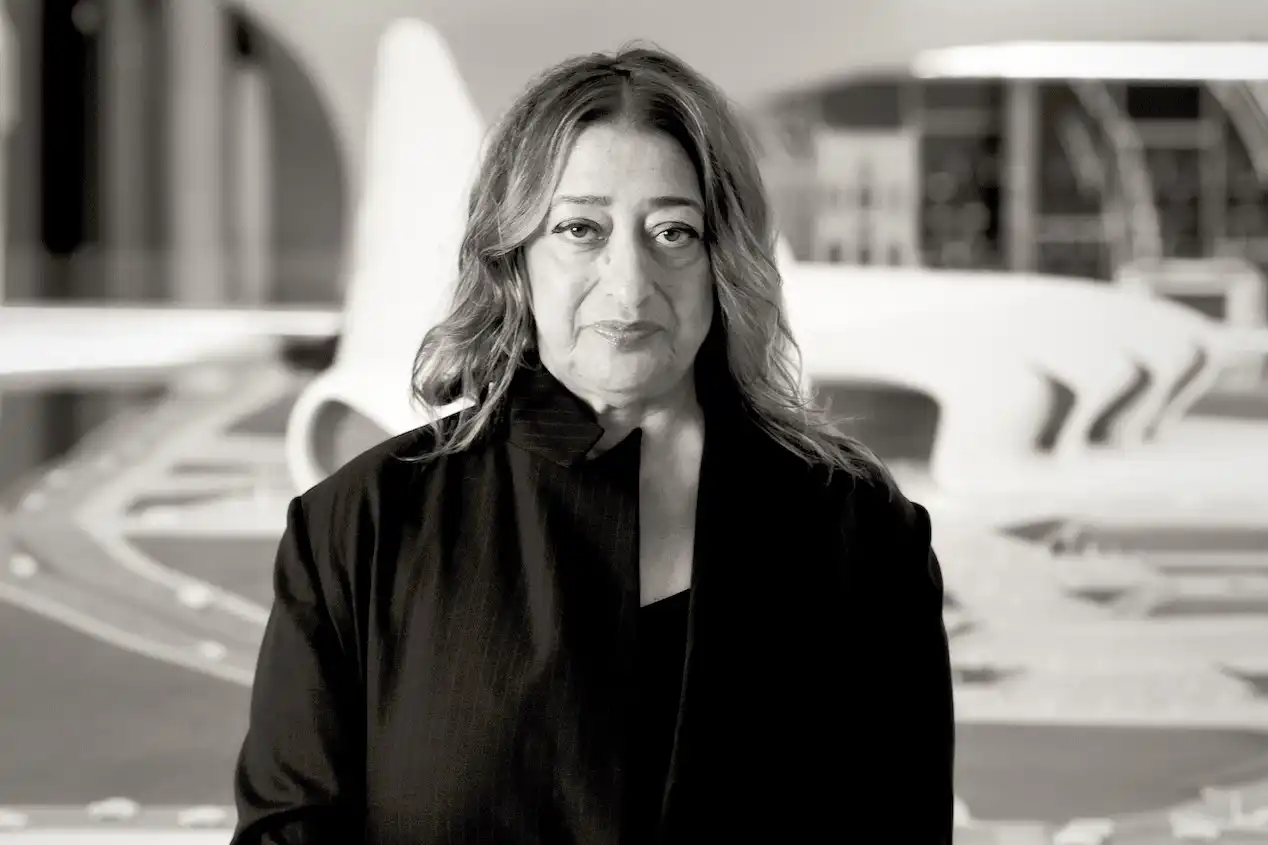
I thought it might be instructive to do a second touch-down (for those of you who missed it: Frank Gehry was the first) on architecture that challenges us to think about the built environment as something beyond the practical. Indeed, an architecture that lies at the intersection between art and pragmatism. Tonight, the Iraqi/British architect Zaha Hadid, who passed in 2016.

- *Although both Frank Gehry and Hadid ’s works are seen as “sculptural, ” Gehry ’s buildings seem to meld distinct and even disorganized and clashing hard metallic forms; Hadid ’s seem more fluid – almost soft – futuristic, aerodynamic.

- *Gehry ’s are asymmetrical and disruptive; Hadid ’s seamlessly continuous.
- *Gehry ’s suggest surprise and humor; Hadid ’s elegance and precision.
- *Hadid ’s use of materials sought to hide the underlying structure; Gehry made the component materials visible and part of the architectural expression.
I noted in my earlier note that Gehry usually started his conceptualization with hand-drawn sketches, then passing to his engineers to apply digital tools. Hadid evidently worked slightly differently, calling on her mathematical training to generate forms using sophisticated computational algorithms.
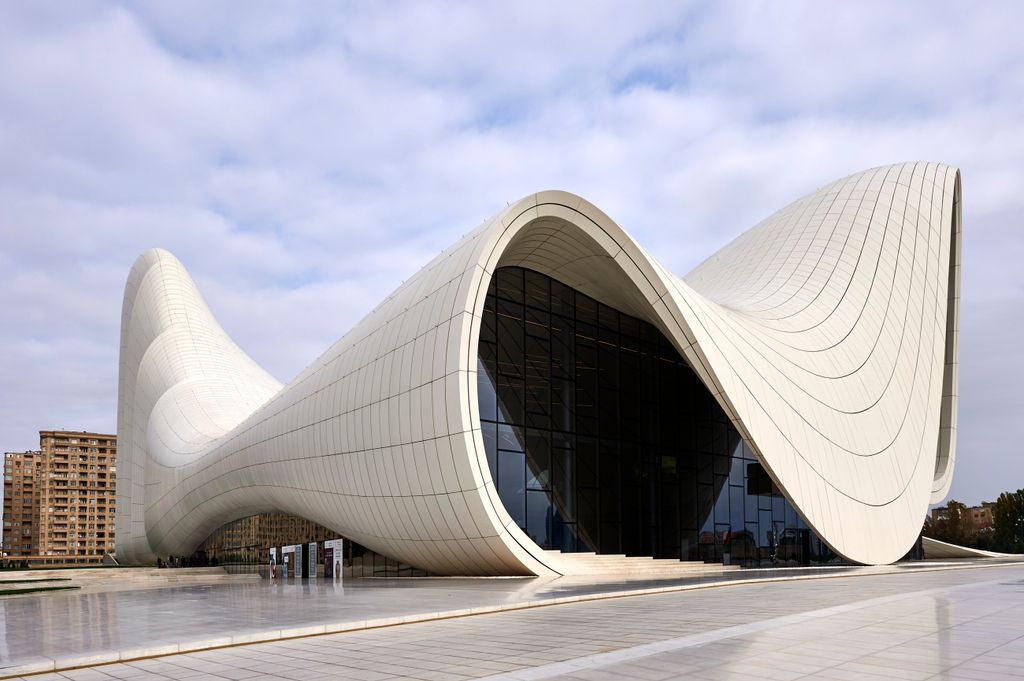
Here is a prototypic Hadid expression: Heydar Aliyev Center in Baku, Azerbaijan :
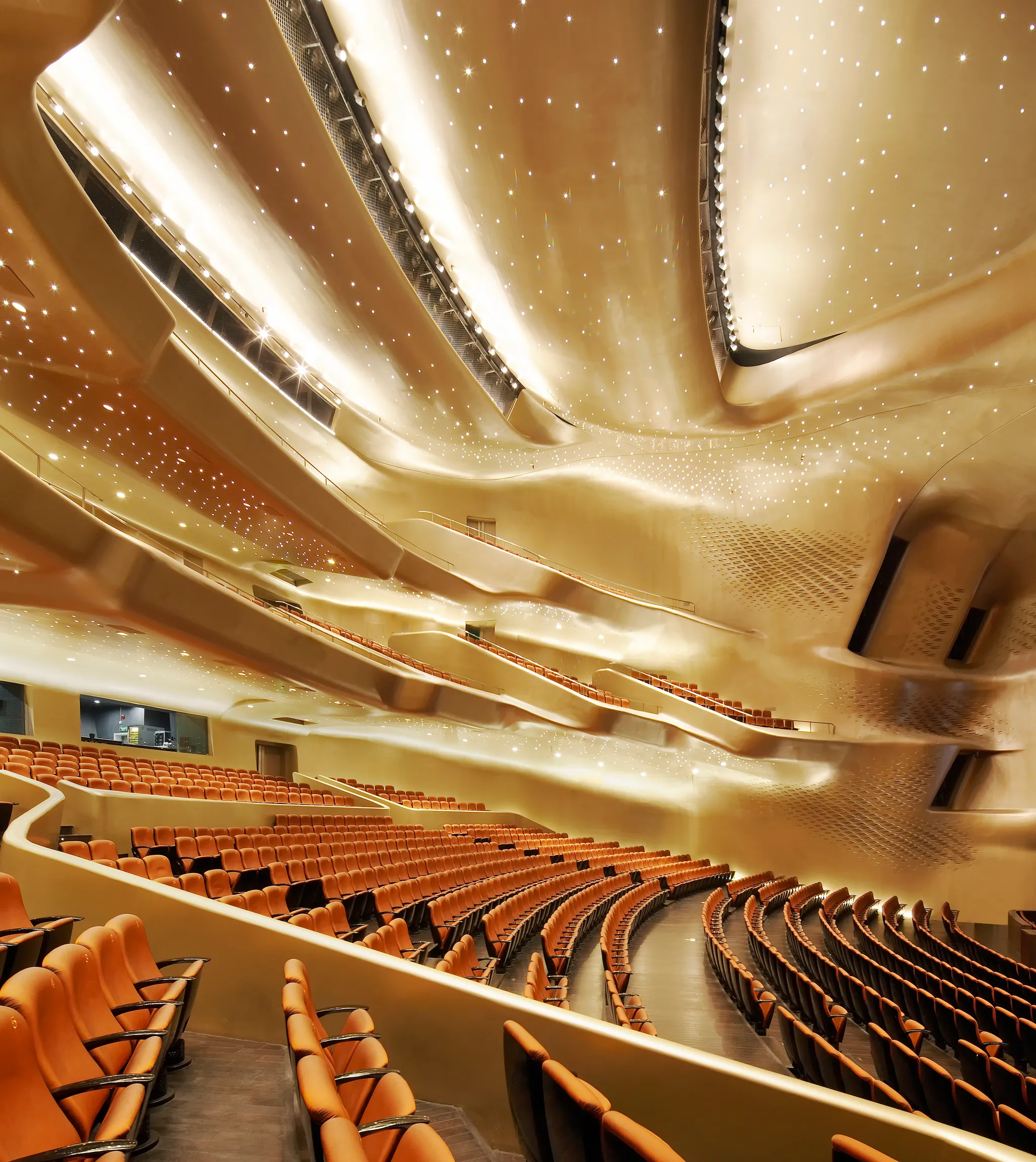
- *The Guangzhou Opera House in Guangzhou, China:
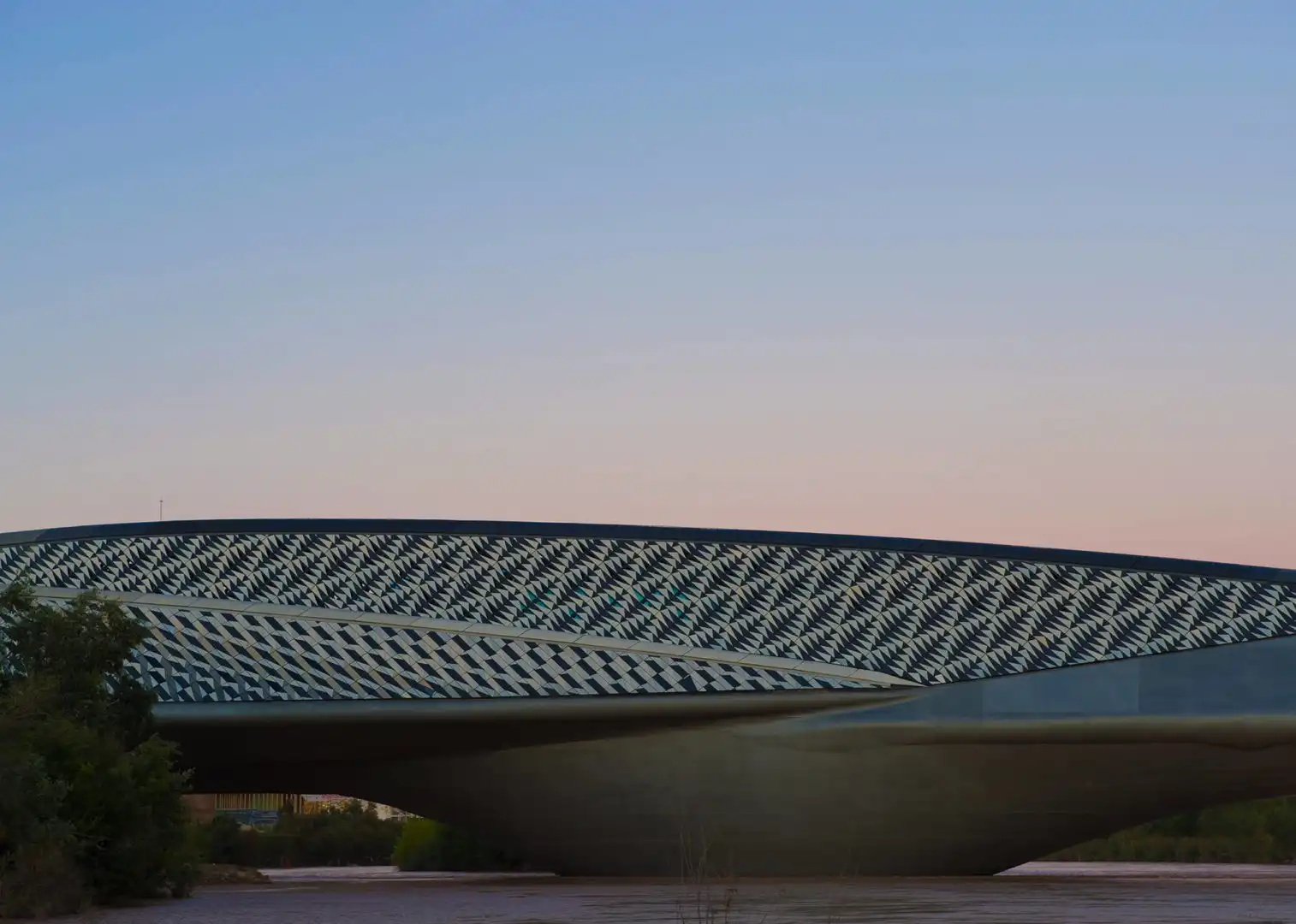
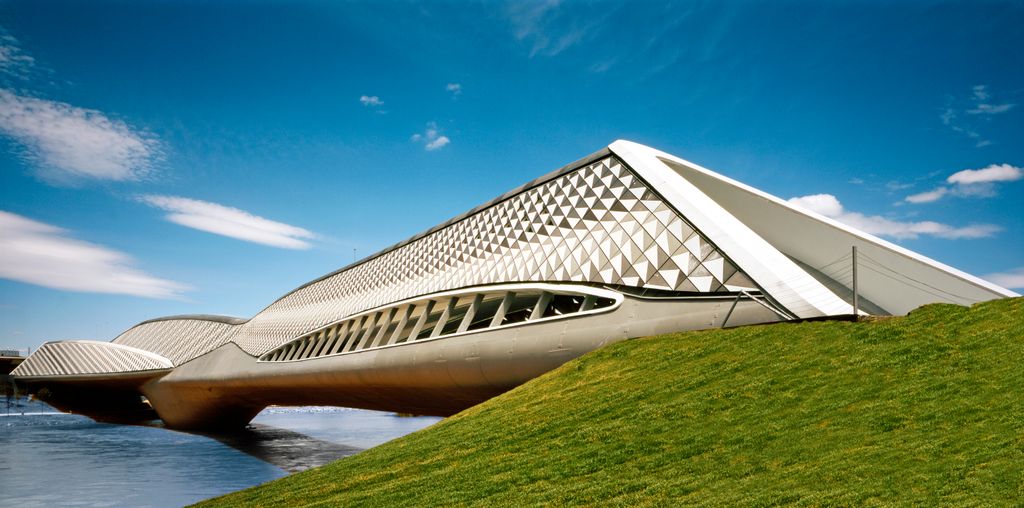
- *The Zaragoza Bridge Pavillion in Zaragoza, Spain:
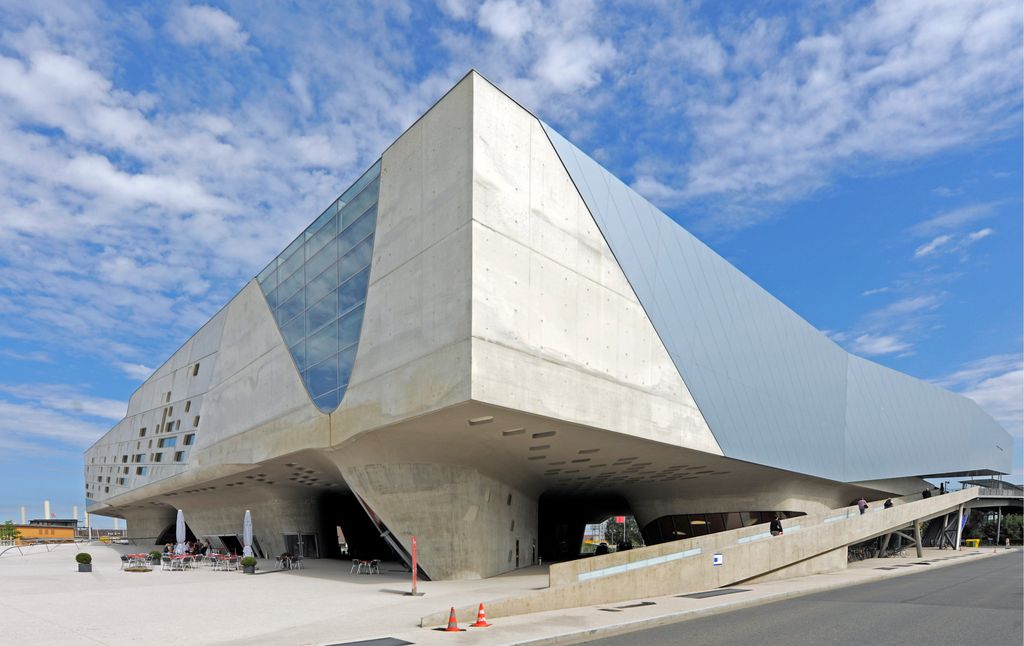
- *The Phaeno Science Center in Wolfsburg, Germany:
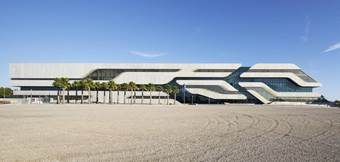
- *A government building in Montpellier, France:
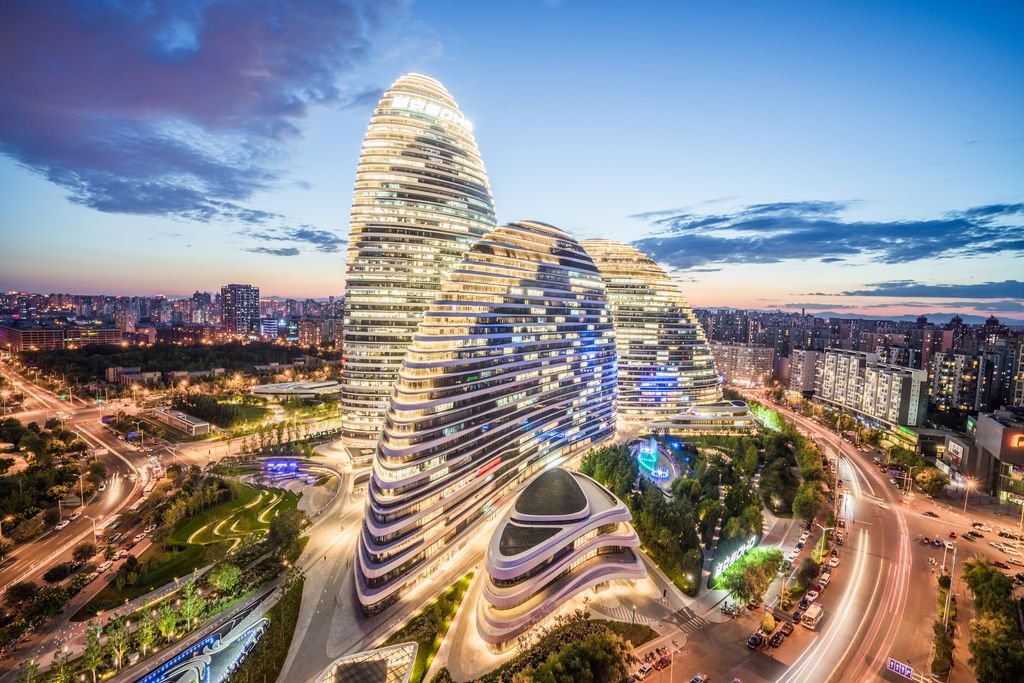
- *An office complex in Beijing, China:
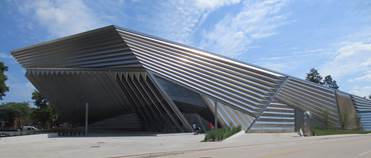
- *And a Hadid in our backyard: the Broad Museum at Michigan State University:
With apologies to other transcendent practitioners of their art and craft – Renzo Piano, Santiago Calatrava, Rem Koolhaas and, above all, Liz Diller – in Frank Gehry and Zaha Hadid, we may have the two most iconic architects of the last quarter-century; both breaking spectacularly from the very different aesthetics and methods of the titans of an earlier era: Frank Lloyd Wright, Mies van der Rohe, Le Corbusier, Richard Neutra, Eero Saarinen.
I would argue that the aesthetic and method of these two have something that speaks to us as we think about our headquarters.
First, the treatment of materials matters. Whether jarring or undulating, unsettling or soothing, it moves us beyond the intellectual to the visceral.
Second, form matters. Meticulously conceived and expertly articulated elegance comes in many shapes and sizes – even when asymmetrically unexpected – but it distinguishes the everyday from the extraordinary.
And third, context matters – we can be seduced by a building ’s awe quotient, but it has to be part of where it sits. We can ’t necessarily create a Gehry or an Hadid, but we can probably do an even better job than they typically did in placing the building in service of its broader surround.
Rip