Sequins, Corsets, and Independence: The Fierce Independence of Dolly Parton and Tim Curry
Good Friday afternoon, everyone:
I guess I shouldn ’t have been surprised when more than a few of you asked why I hadn ’t penned a note about Dolly Parton ’s passing. The simple answer is that so much has been written and said about her music, her personality, her philanthropy (her Imagination Library literacy program has distributed hundreds of millions of books to children worldwide), her influence, and her legacy that I couldn ’t imagine anything to add.
And then there was the harsh reality that although I, like millions of others, had enjoyed her music, been dazzled by the cultivation of such a remarkable image, and come to see her as iconic in ways so very few people have become, I wasn ’t a close follower.
So let me try something on short notice that may be artistically sacrilegious: a few reflections comparing Dolly Parton and Tim Curry, the British actor and singer, who also passed last week – like Parton, at age 80.
Let me start with distinctiveness. Parton defined distinctiveness – her country-music storytelling, her gift for melody in the thousands of songs she composed, her unmistakable voice, her embodiment of a particular form of Southern culture, her transfixing charisma and glamor, her acute business acumen.
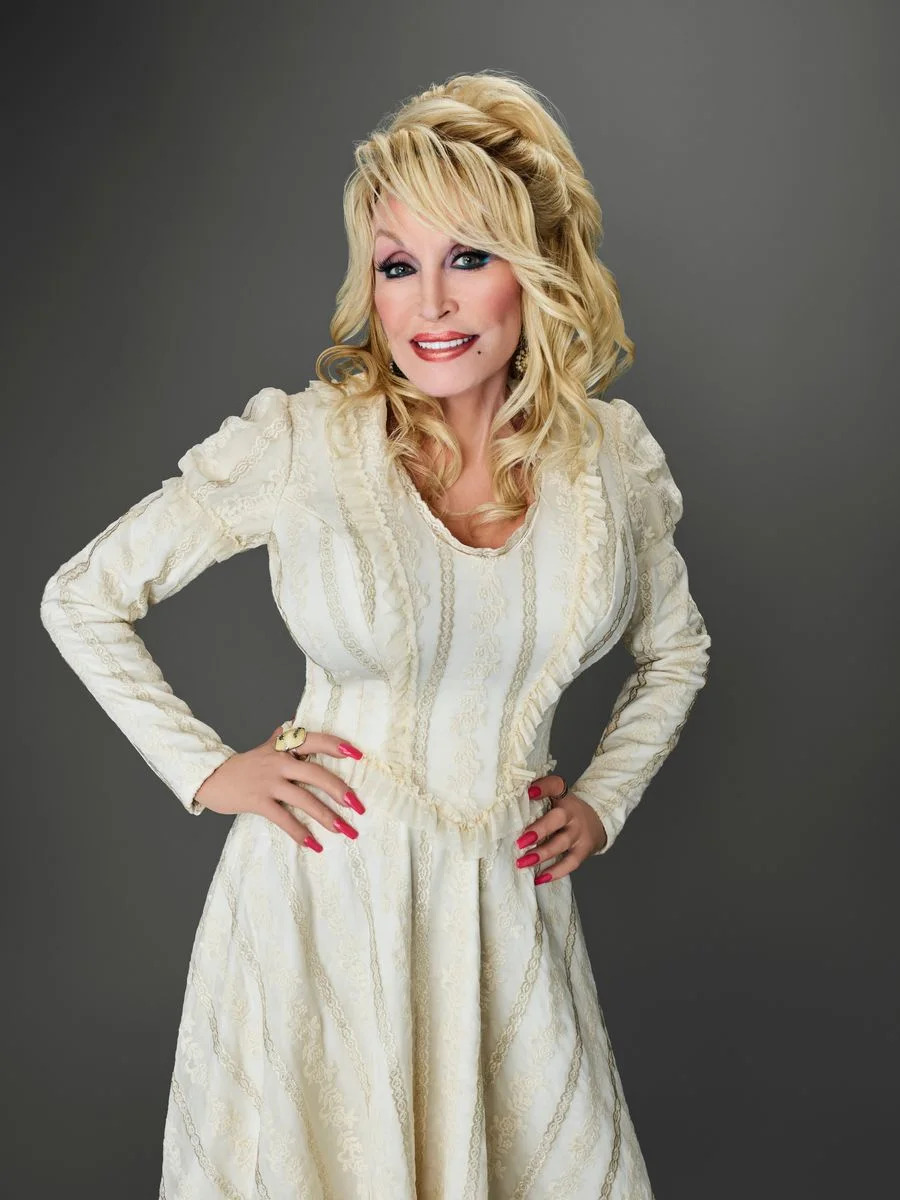
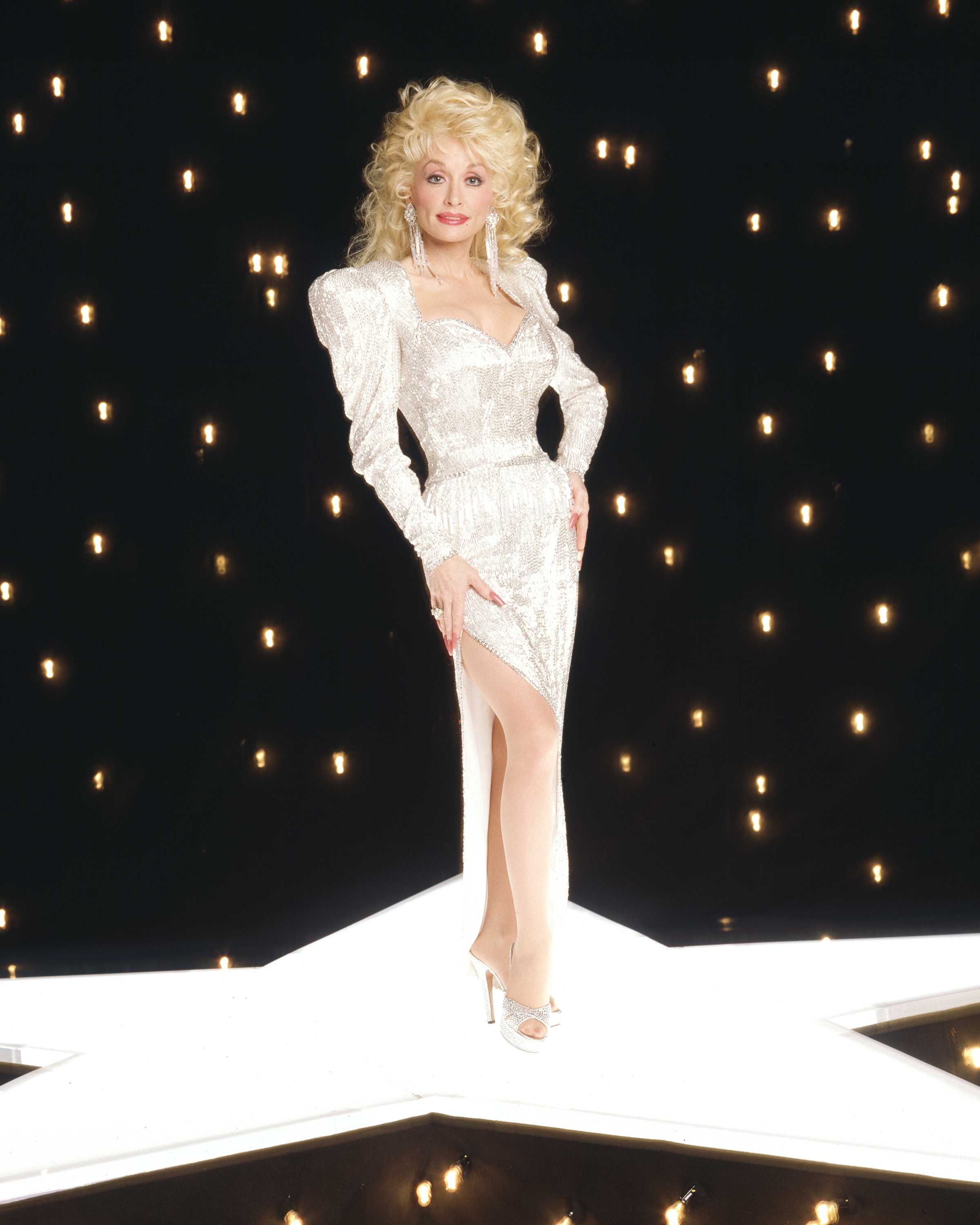
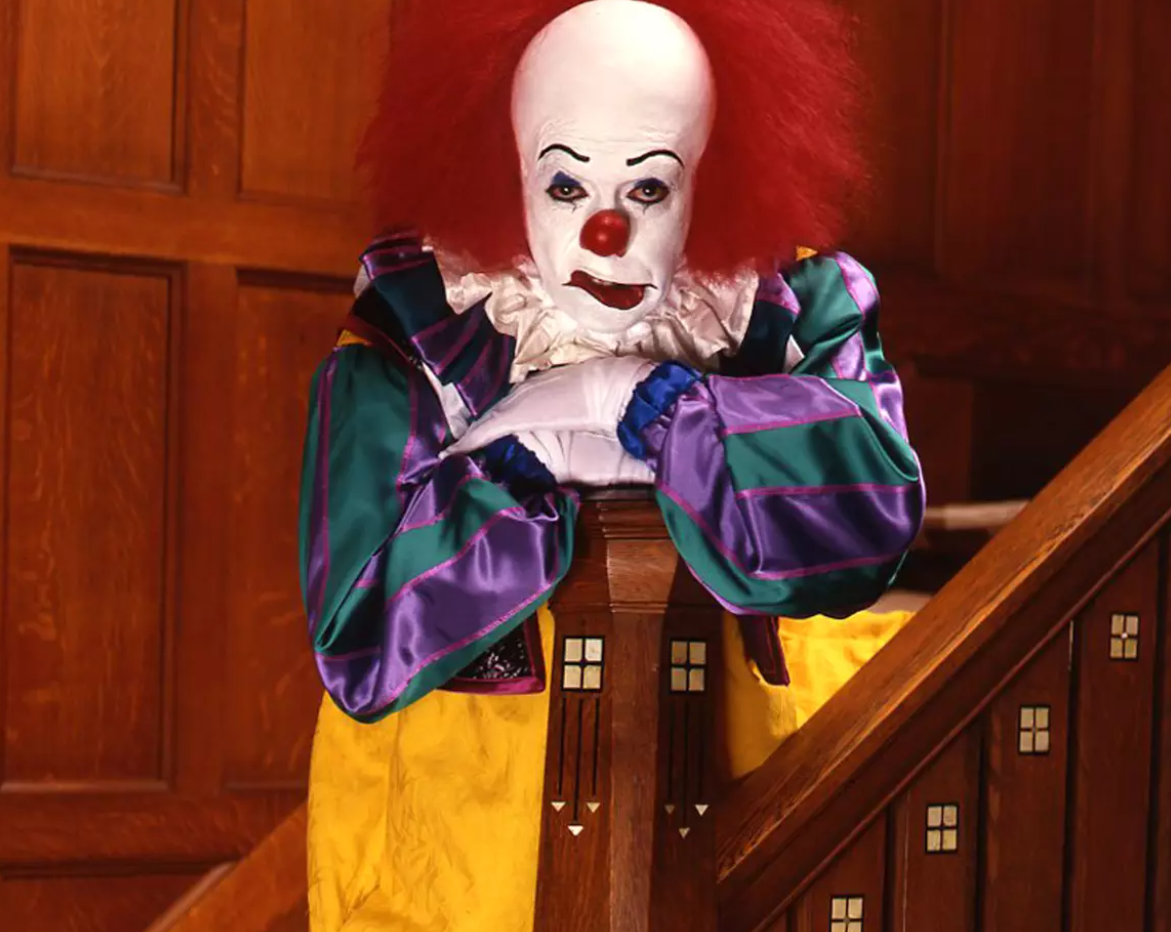
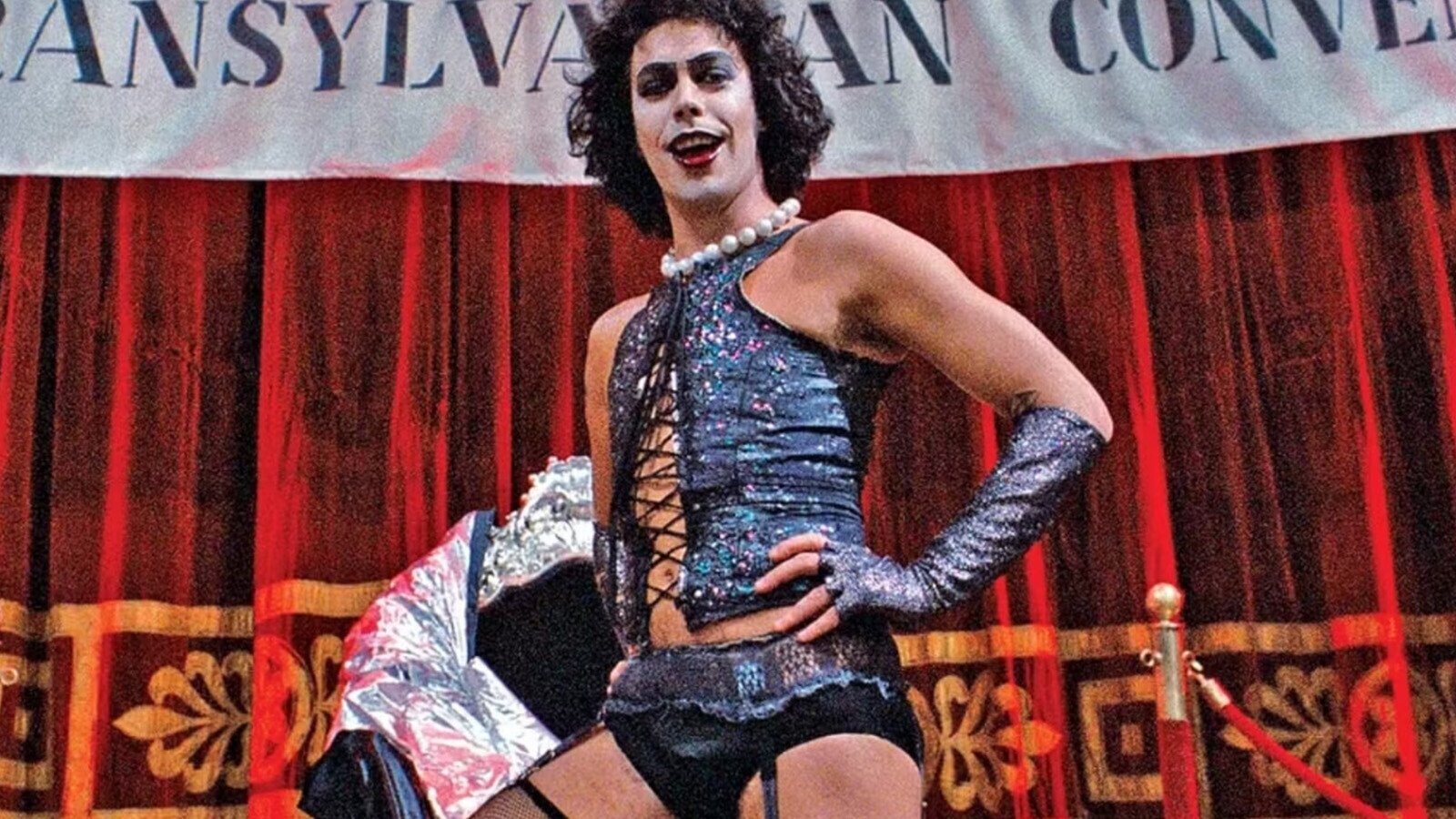
Curry was no less distinctive – his Dr. Frank-N-Furter in the cult film The Rocky Horror Picture Show was about at flamboyant, tongue-in-cheek, and eccentric as you could get, but so too was his role as King Arthur in the stage version of Mony Python ’s Spamalot or his villainous turns in It (his Pennywise clown character became one of the most influential horror performances in television history) and Muppet Treasure Island.
Second, even while distinctive, their musical turns were remarkably versatile. I just saw this morning a Parton transformation of Led Zepplin ’s “Stairway to Heaven ” into a beautiful ballad, as well as her partnership with Ladysmith Black Mambazo on their interpretation of Cat Stevens ’“Peace Train. ” Curry had an extensive side-hustle providing voice roles in animation films and video games. Whereas Parton ’s musical artistry was grounded in expressing her distinctive country roots and sensibilities, however, Curry transformed almost unrecognizably from character to character.
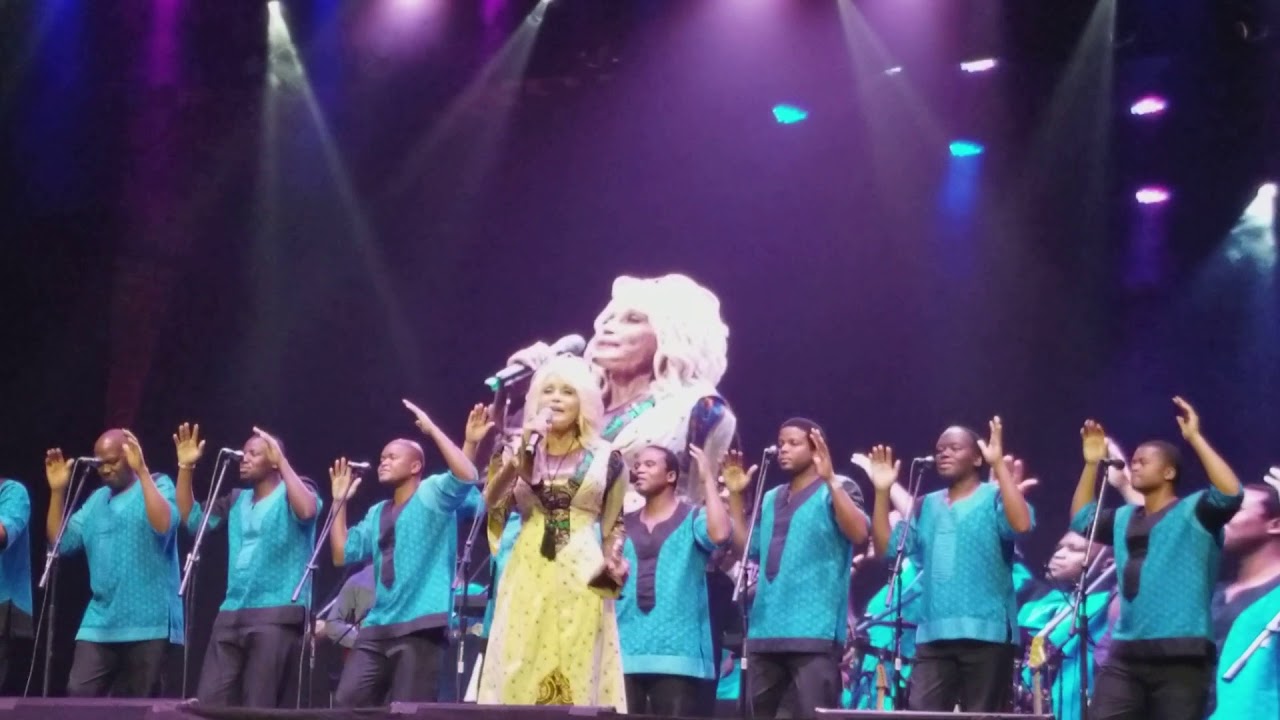
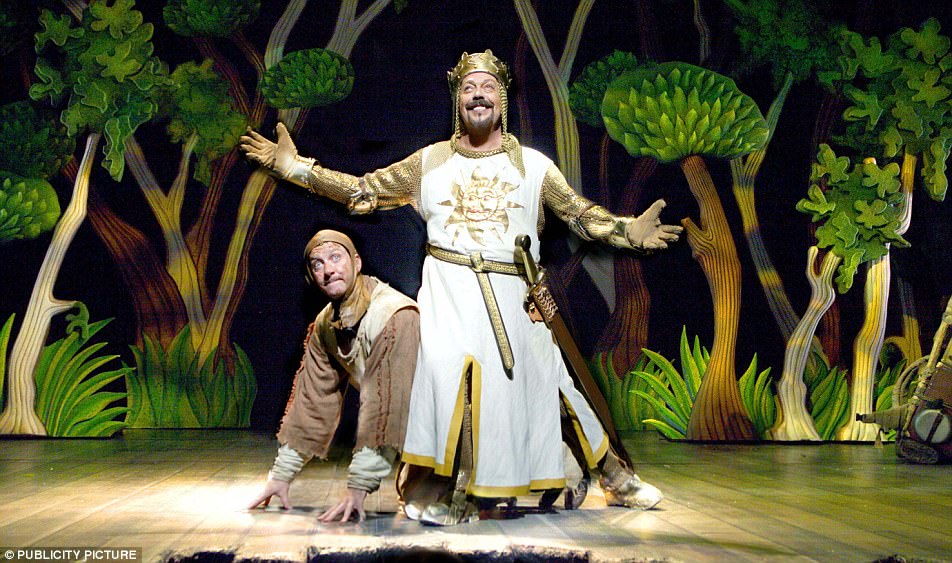
Third, they were both platform cross-overs. Curry ’s career was built on extraordinary range: live theater, film, television, and voice acting; a character actor of dizzying range. Parton ’s turns in films like Nine to Five and Steel Magnolias opened an entirely different side of her. And then there was Parton as businesswoman – The Dollywood business is a vast and successful empire.
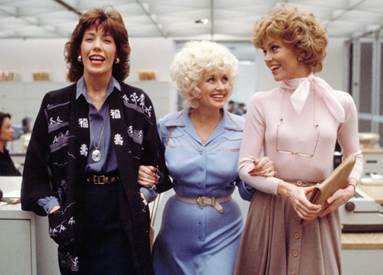
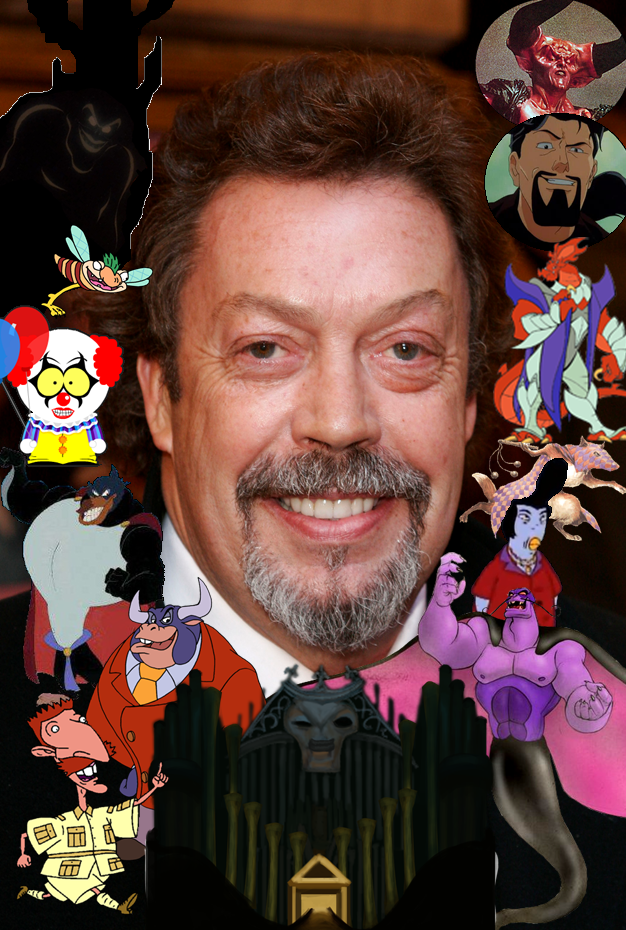
Fourth, both artists in very different ways challenged conventional assumptions about gender and sexuality. Curry ’s Dr. Frank-N-Furter was a crystalline expression of artistic freedom, unconventionality, and self-expression – carving space that continues to inspire actors and drag performers to this day.
Although Parton ’s elaborate feminism – the hair, the outfits – seemed almost stereotypical, she frequently injected irony into her commentary about her appearance. In the process and through her fierce control over both her music career and her businesses, she unalterably changed perceptions of female country artists. It ’s not possible to imagine a country music star more associated with artistic resilience, generosity, and authenticity. She, like Curry, refused to conform to a conventional career path.
God speed to two remarkable artists.
Rip