How Detroit Learned to Love Its Walls: The Rise of the City's Mural Movement
Good Friday afternoon, everyone:
The inspiration for today’s note comes from Michelle J. and Tracey P. I had asked Michelle about a grant this cycle to BLKOUT WALLS, a festival from September 3-14 in Detroit that will bring together 20 artists to create murals on private and commercial structures throughout the city. I suggested that this enthusiastic embrace of murals has been a relatively recent development in City Hall. I wondered whether she might not describe our change of heart in a staff meeting.
She and Tracey did me one better and offered a proposed nightly note. What follows is their thinking, pushed through the meat-grinder of my prose and embellishment. So deep thanks to the two of them for getting me started.
Detroit wears its story on its walls. They are not simply ornamentation designed to fade into the background, but instead a storyline of struggle and protest, creativity and pride, beauty and provocation.
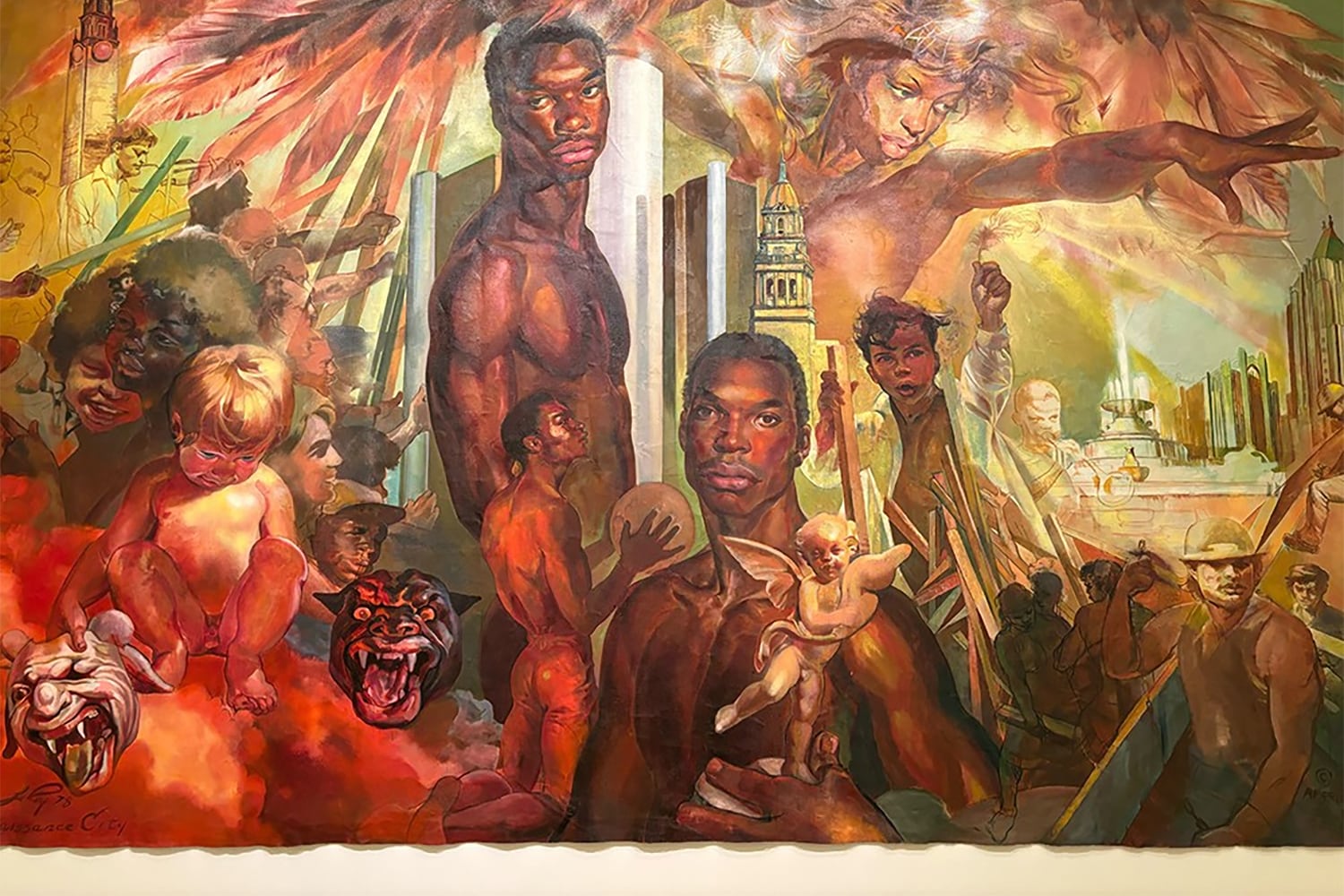
Start with the mother of all murals: the Diego Garcia in the Detroit Institute of Arts.

But then walk the streets. It’s hard to imagine the city without these expressions.
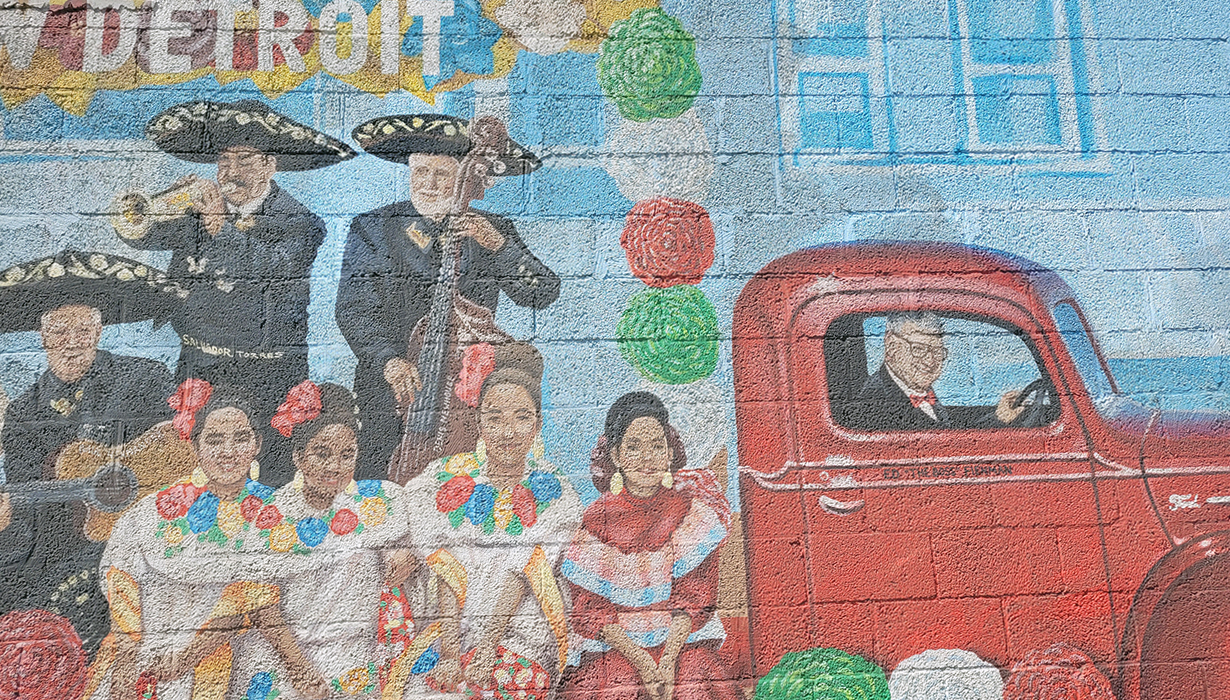
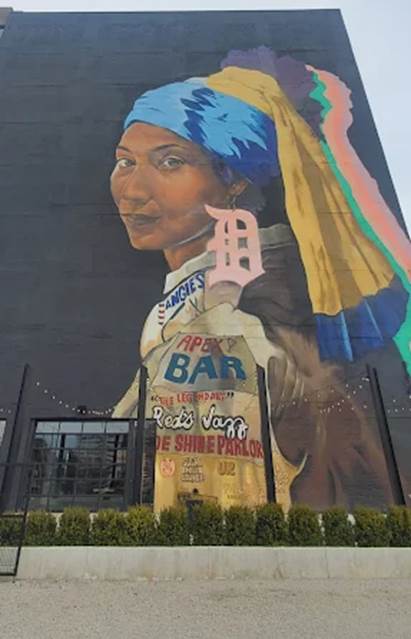
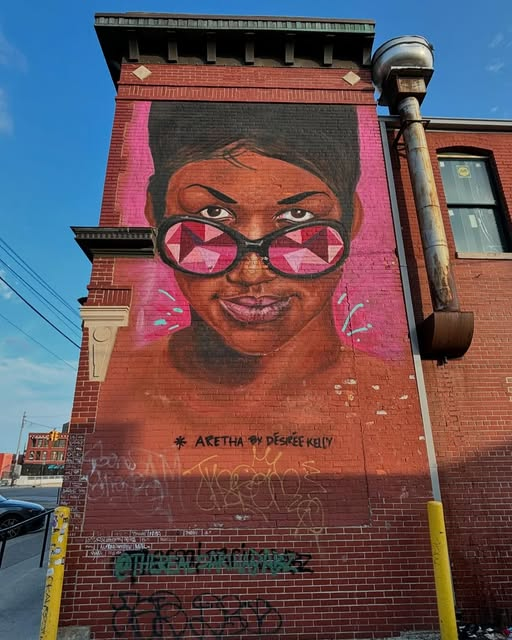

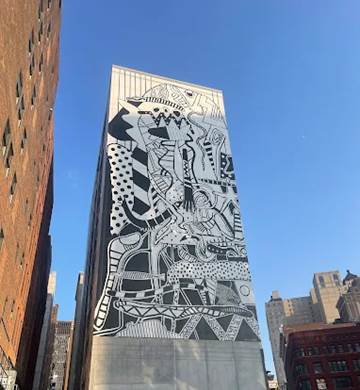
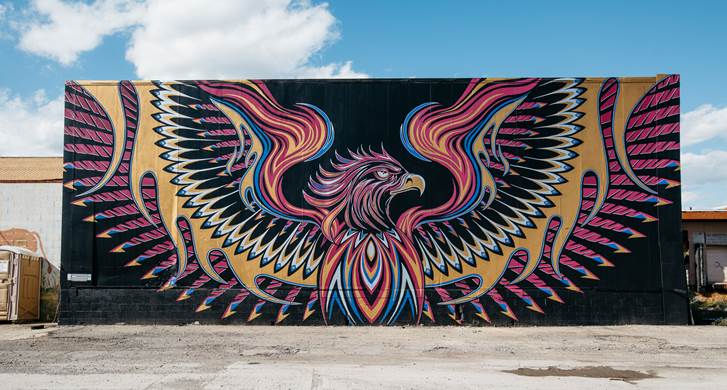
And yet, just a decade ago, they were seen in a much more ambivalent light – welcomed by some as cultural affirmation, criticized by others as uninvited desecration of private property . That transformation is what I asked Michelle if she might explain and trace.
She noted that the proliferation of “graffiti” in the immediate aftermath of the bankruptcy gave rise to concern from City Hall – about private property rights, about images of gang-like tagging, about activities that were neither invited nor permitted. As quickly as a new wall was painted, it became ensnared in code enforcement notices, whitewashed facades, and a narrative that murals were a nuisance, not a civic asset.
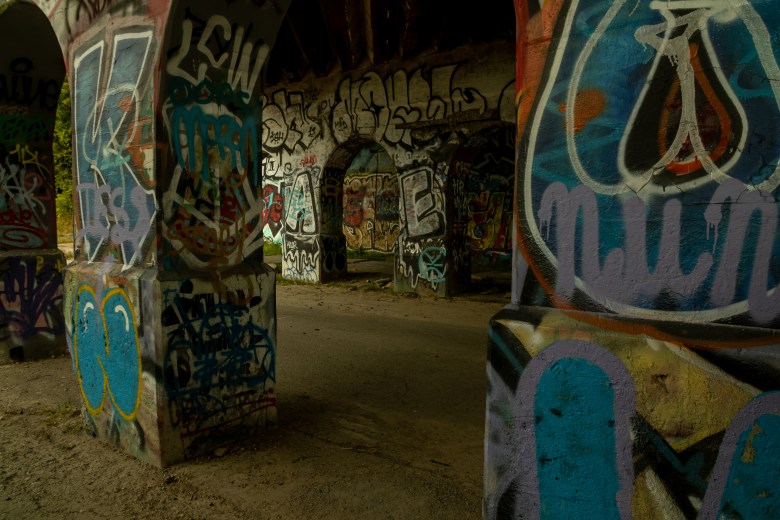

But to City Hall’s enormous credit, Mayor Duggan did something of an about-face. In 2017, the City launched “City Walls” as part of the mayor’s “Blight to Beauty” initiative. Through some mysterious policy alchemy, the operative assumptions changed dramatically: street art, murals, and graffiti were seen as vehicles for, and manifestations of, community pride, public safety, and social connection.
The work began modestly by seeking to replace unauthorized graffiti with sanctioned artwork. It grew exponentially, evolving into a program that has commissioned more than 200 murals, employing over 70 artists to turn their talents and energies to the transformation of freeway overpasses, commercial corridors, and neighborhood gathering spaces. The Dequindre Cut. Jefferson Avenue. Eastern Market (where murals are refreshed each year through “Murals in the Market”). Seven Mile. Dexter. Downtown. Midtown. Southwest Detroit. The Frederick Douglass Branch Library. Cass Tech.
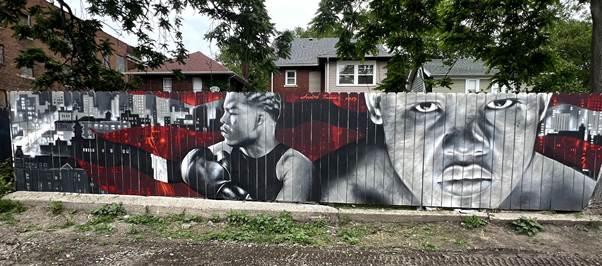
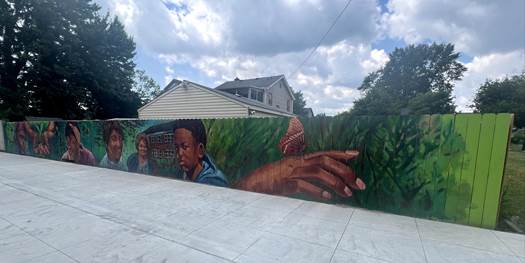
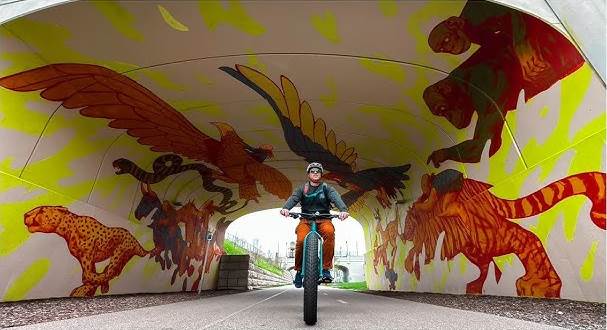
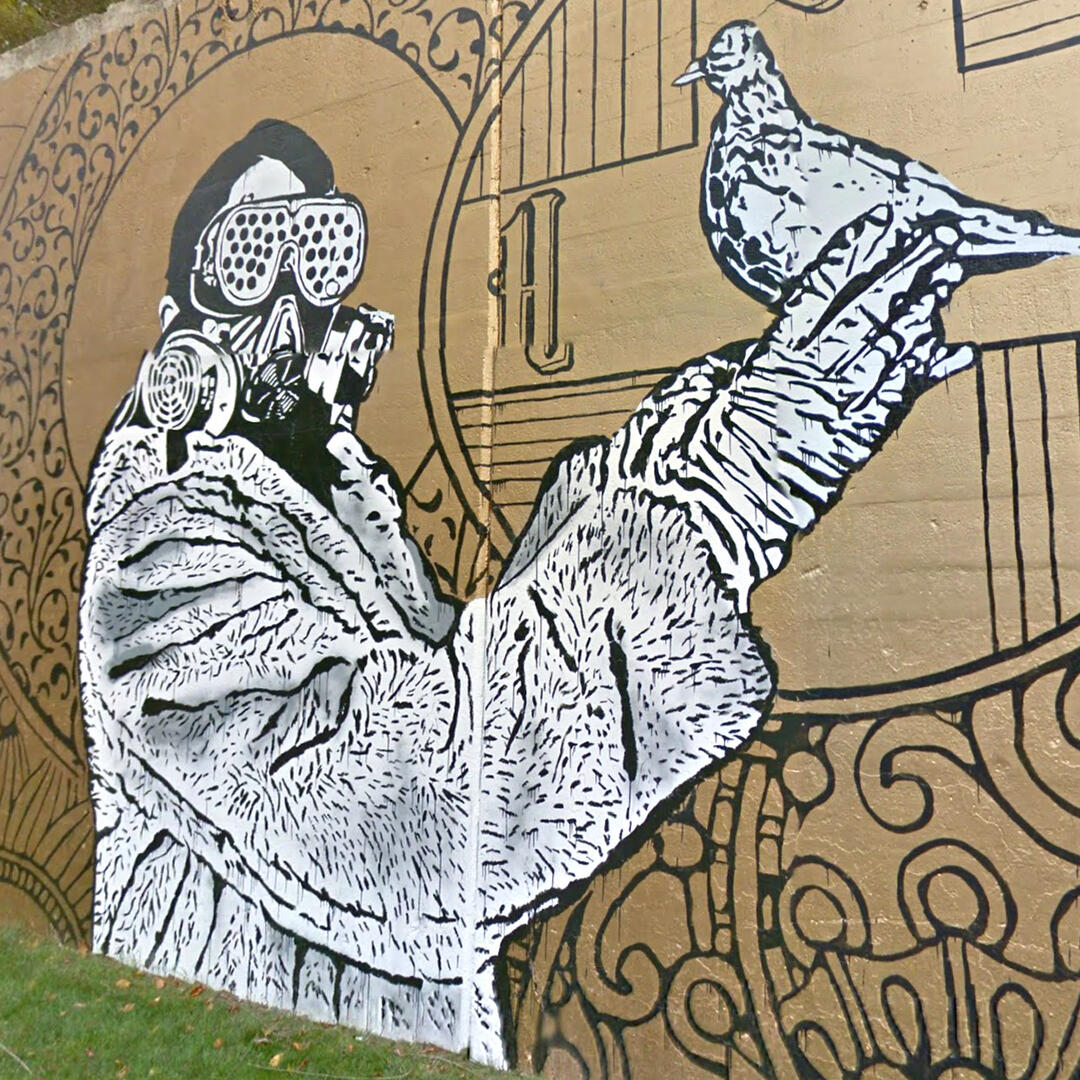
As Michelle and Tracey wrote to me: “This shift was not simply about beautification. It was a tacit acknowledgment that art, especially art created by local hands, can help repair the civic fabric, restore dignity to neglected spaces, and create conditions for dialogue.”
In turn, these efforts led to something even more ambitious. Michelle and Tracey note:
In 2021, Detroit artist Sydney G. James (Kresge Artist Fellow 2017) joined Thomas “Detour” Evans of Denver and Max Sansing of Chicago to launch the inaugural BLKOUT Walls Mural Festival in the city’s North End. They had all participated in mural festivals around the country and recognized two persistent truths: artists of color were often underrepresented, and they were rarely compensated for their work. BLKOUT Walls was their answer, a biannual, artist-led festival designed to center Black and Brown creators, provide fair pay, and create lasting works of art with and for the community.
With Kresge’s support, the festival brought together artists of color from Detroit and across the country to create twenty new murals. The North End’s walls became a living gallery, amplifying voices, reclaiming space, and offering a stage for conversations about racial justice, equity, and belonging.
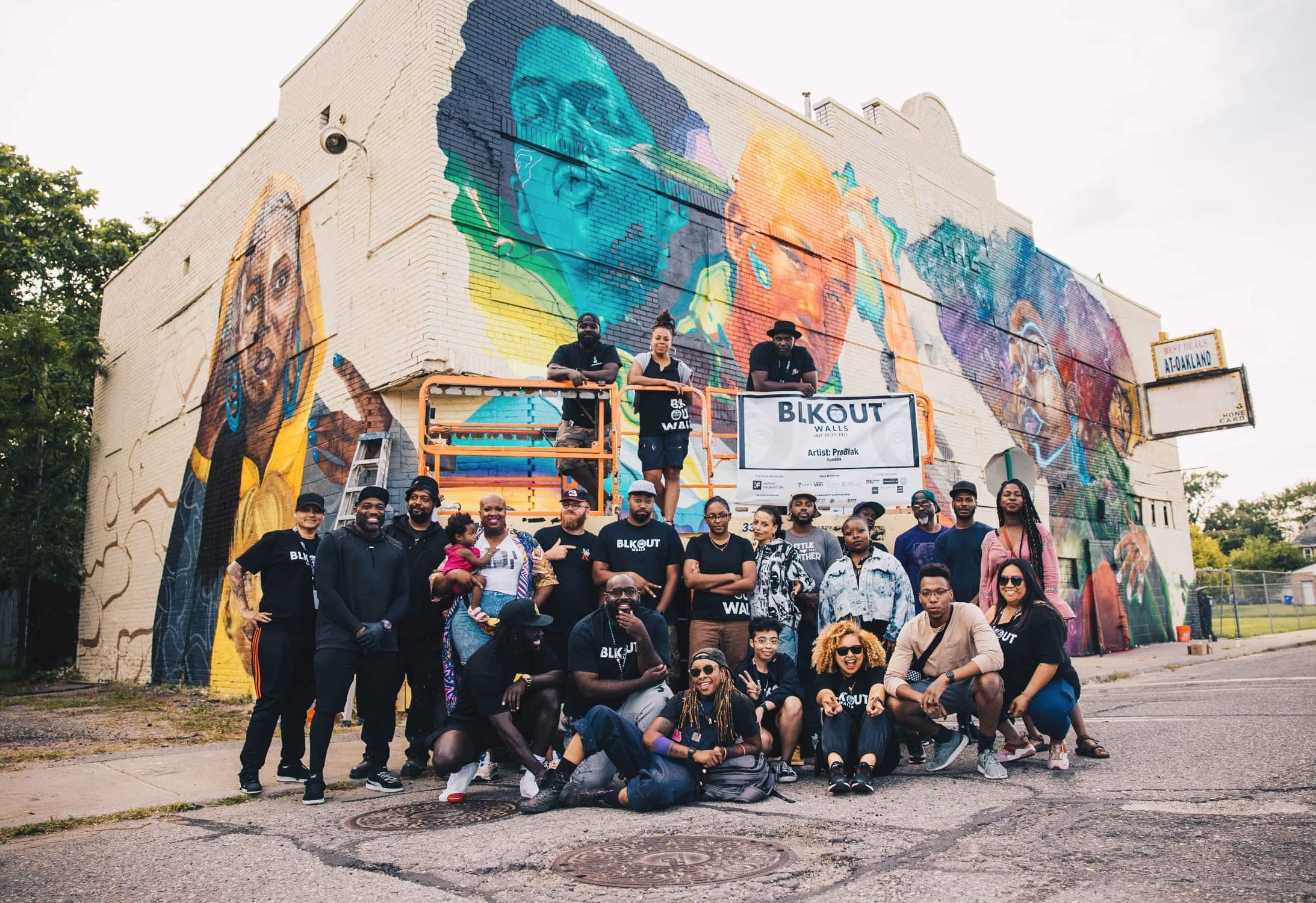
The festival also made intentional space for young Detroiters through a partnership with the Detroit Area Pre‑College Engineering Program, which expanded its STEM curriculum to STEAM. Local students, many from the North End, learned how art, like engineering, can shape the world around them.
Two years later, Rochelle Riley of Detroit’s Office of Arts, Culture, and Entrepreneurship, launched the Detroit Mural Map app, which encouraged residents and visitors to document and learn about mural locations and artists across neighborhoods. ( Visit Detroit+5AAG+5Hyperallergic+5)
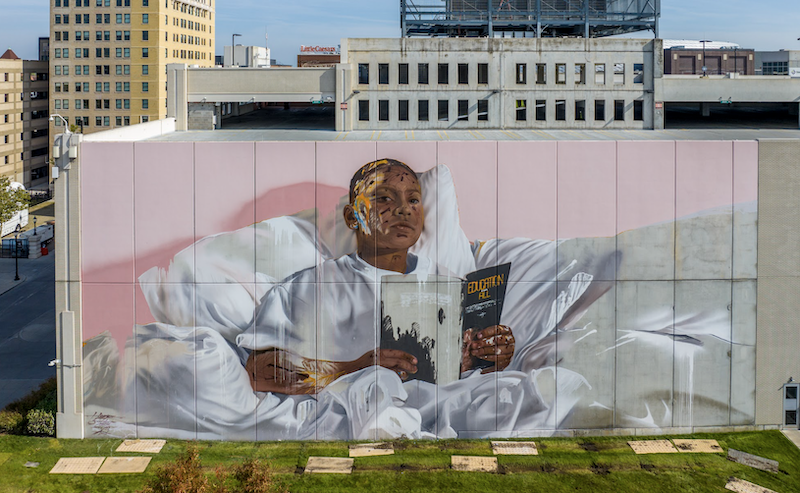
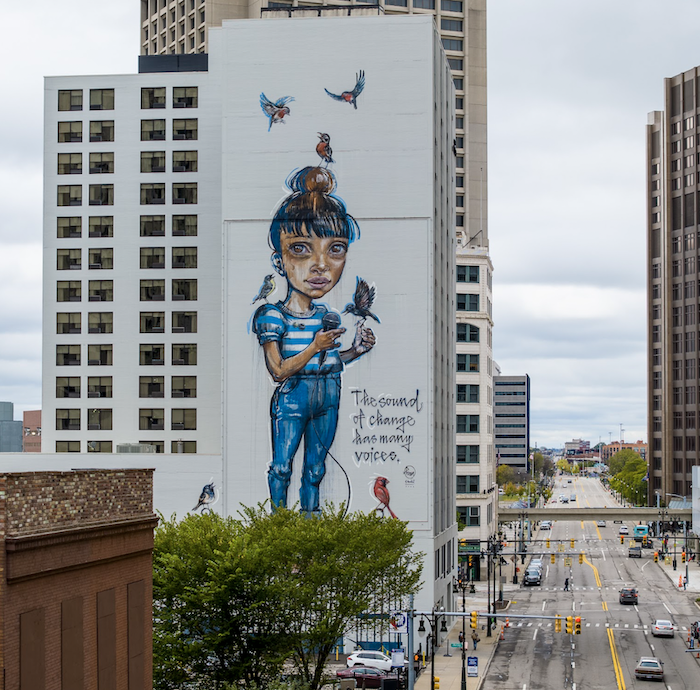
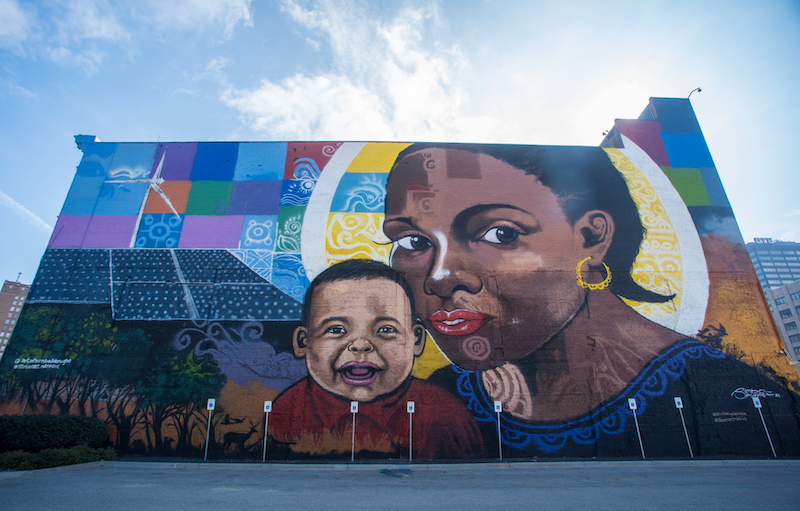
And just last year, as part of the NFL Draft, the City sponsored Detroit e he hange , featuring global artists creating socially and environmentally themed murals in Downtown Detroit:
Michelle and Tracey closed out their note by writing:
Our own role in this journey, supporting artist-led and equity-centered placemaking, is a reminder that when we invest in creative expression, we are investing in the long arc of community identity.
Detroit’s walls tell the story of its resilience. What began as an act of defiance has become a citywide chorus of pride. And if the past decade is any indication, these walls will continue to speak in color, in history, and in hope for decades to come.
Thank you Michelle and Tracey.
Rip