How a Community Tells Its Story: Olives, Vines, and Maria Callas
Good evening, everyone:
Every time I drive through the city, I ’m surprised and delighted at murals I hadn't previously noticed. So, a recent story about a mural in Greece, of all places, caught my attention. Perhaps less because it ’s about public art, and more because it underscores the idea of how a community tells its story.
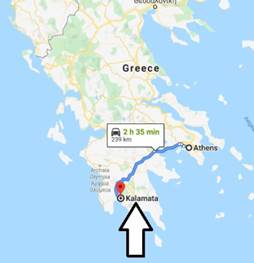
The city of Kalamata, which is known for its olives, figs and agricultural heritage, is also home to a giant mural depicting the great soprano Maria Callas. What caught my attention was that that mural was last year named the world's best mural by Street Art Cities , an international street art organization. The "judges " noted that the piece, which is aptly titled Kalamata , uses Callas' image as a way of representing the city itself.
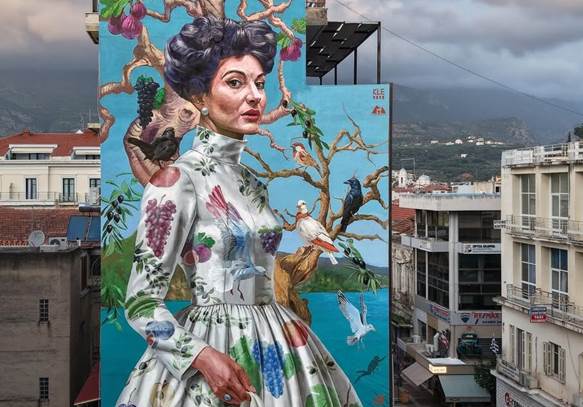
City leaders were quite intentional about that. They wanted to find a way to help residents connect to ideas like environmental and economic sustainability – not through a task force or white paper, but through art.
The mural commission tasked contenders for the project to weave together the city's agricultural roots, cultural aspirations, and environmental future. The winning submission – from Greek visual artist KLE (the professional name of Kleomenis Kostopoulos) – accordingly incorporated olives, vines, local birds and other regional symbols into Callas's image. It covers the full height of a residential building.
Indeed, the portrait has done its job. The mural has not only become a source of civic pride and a tourist attraction, but has also encouraged civic conversations about public space, culture, and identity.
There is remarkable resonance with many of the ideas each of our program teams has built into its portfolio: the work of building strong, resilient communities hinges not not only on policies, programs and practices, but also on narrative. Communities ground themselves in their history . . . in their aspirations . . . in their identity.
As in Greece, so too in Detroit.
Rip