Detroit: Where America’s Architectural Imagination Still Thrives
Good evening, everyone:
It’s hard not to stop to inspect an article headlined by “Can America build beautiful places again?” (from Vox.com) Even harder when you scroll down to find the statement, “It’s a strange feature of our age that although we now have spectacular wealth and greater technological means to create anything we can imagine than at any point in human history, ‘all of our building look like boring squares and rectangles.’”
It made me realize how little the City of Detroit fits into that characterization.
One of my recent notes highlighted three building projects in Detroit that suggest architectural creativity – and even daring – remains alive and well in our city: the magnificent restoration of the Michigan Train Station, the striking Hudson Building complex (particularly its interiors), and the audacious new Ford Motor Company headquarters (in Dearborn, but close enough).
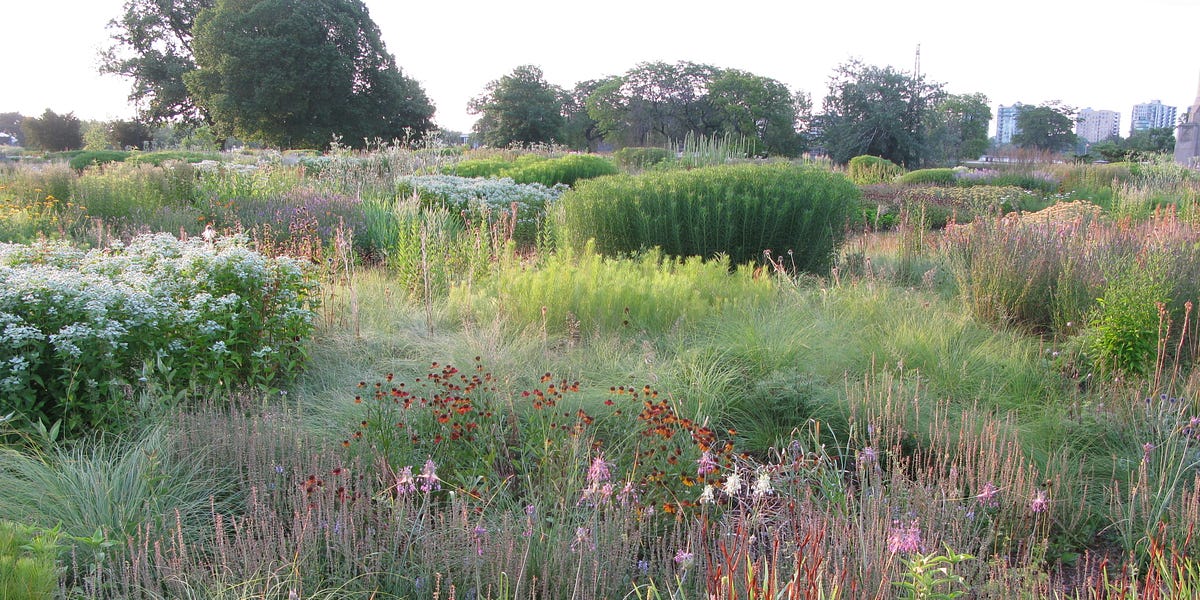
They join a suite of recently realized parks whose meticulously thoughtful plans and superb execution have helped redefine the city: the Riverfront’s Wilson Park . . . the not-so-recent Campus Martius and DTE Beacon Parks . . . Roosevelt Park facing Michigan Central and the planned park to the station’s south. . . the Belle Isle Conservancy’s Oudolf Garden and its conservation of the Aquarium, Conservatory, Scott Fountain and Casino . . . the Dequindre Cut . . . and many others.
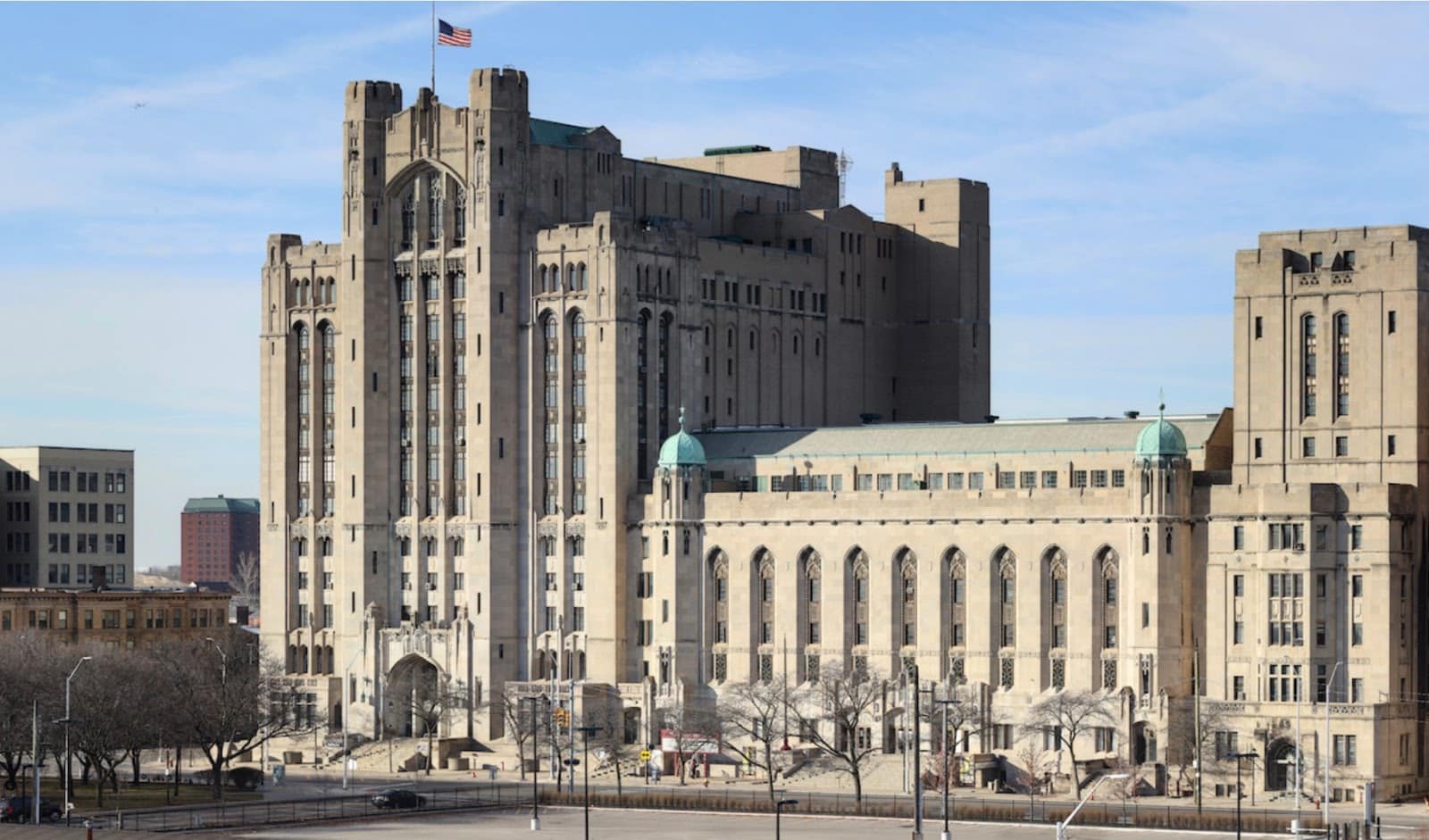
All of this builds on the extraordinary architectural statements that define the central business district and its environs, which I’ve also chronicled in past nightly notes: the Fox Theater, Guardian Building, Penobscot Building, Detroit Opera, Fisher Building, Whitney Building, the Book Tower, the Book Cadillac, Stott Building, the Masonic Temple, and many, many others.
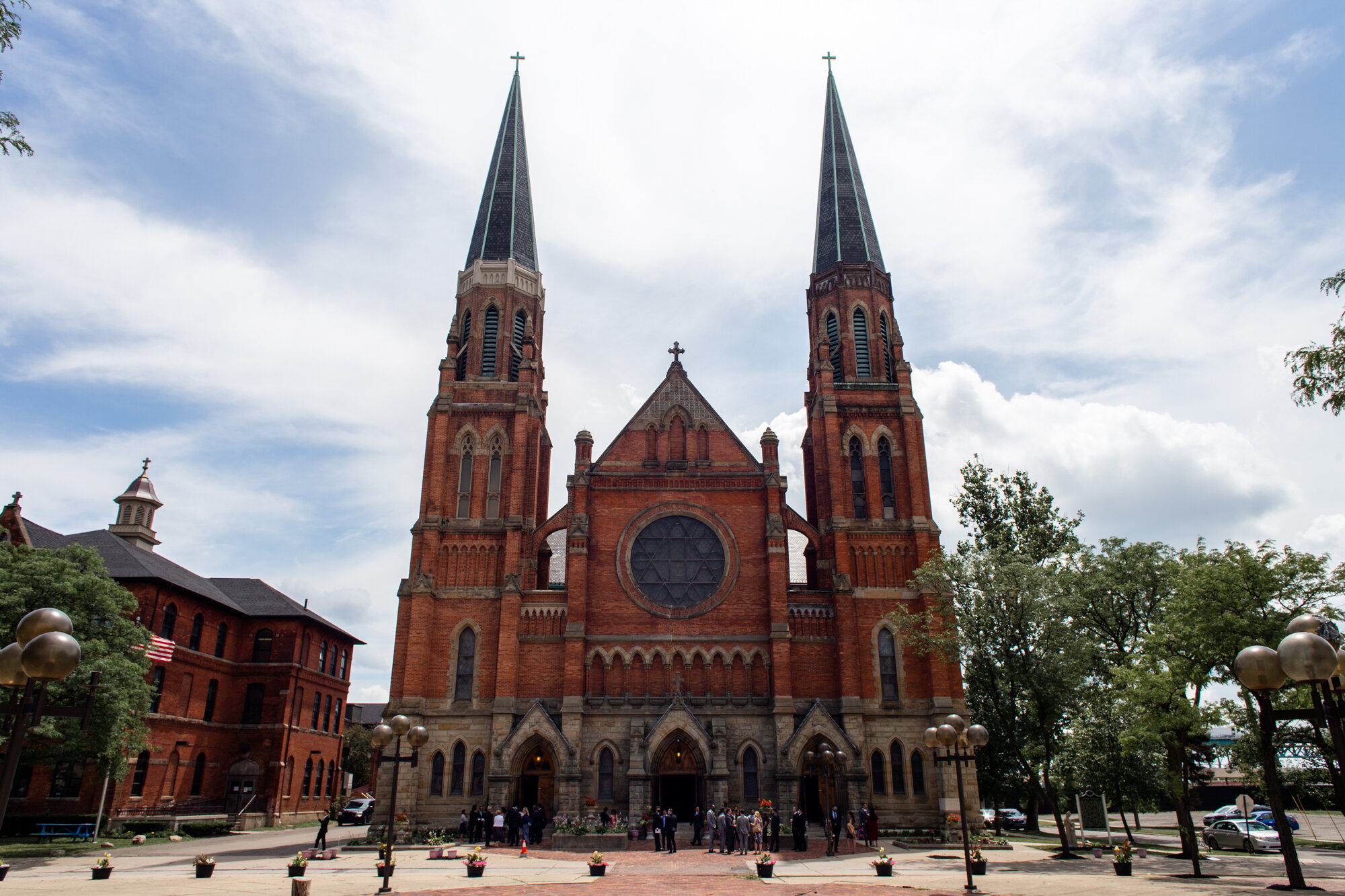
Then throw in the magnificent architectural heritage of the city’s churches : the Basilica of Sainte Anne de Détroit, built in 1886, complete with flying buttresses and gorgeous stained glass . . . the extraordinary procession along Woodward, including the Cathedral of the Most Blessed Sacrament, (home to the Roman Catholic Archdiocese of Detroit), the Cathedral Church of St. Paul, and Metropolitan United Methodist Church . . . the St. Albertus Roman Catholic Church, with its deep connections to the city’s Polish heritage . . . Mariners’ Church, with its historic ties to seafaring on the Great Lakes . . . and, once again, many others.
And, further, couple this with neighborhoods that reflect the remarkable, layered arc of the city’s movement through the industrial boom of the late 19 th and early 20 th century complete with the embrace of ornate mansions . . . the diversity of housing styles accompanying the Great Migration . . . the solidity of post-war worker housing . . . and the ebbs and flows reflecting cycles of change since and in-between. There is no single architectural style, but instead marvelously varied forms of vernacular expression, materials, craftsmanship, and beauty.
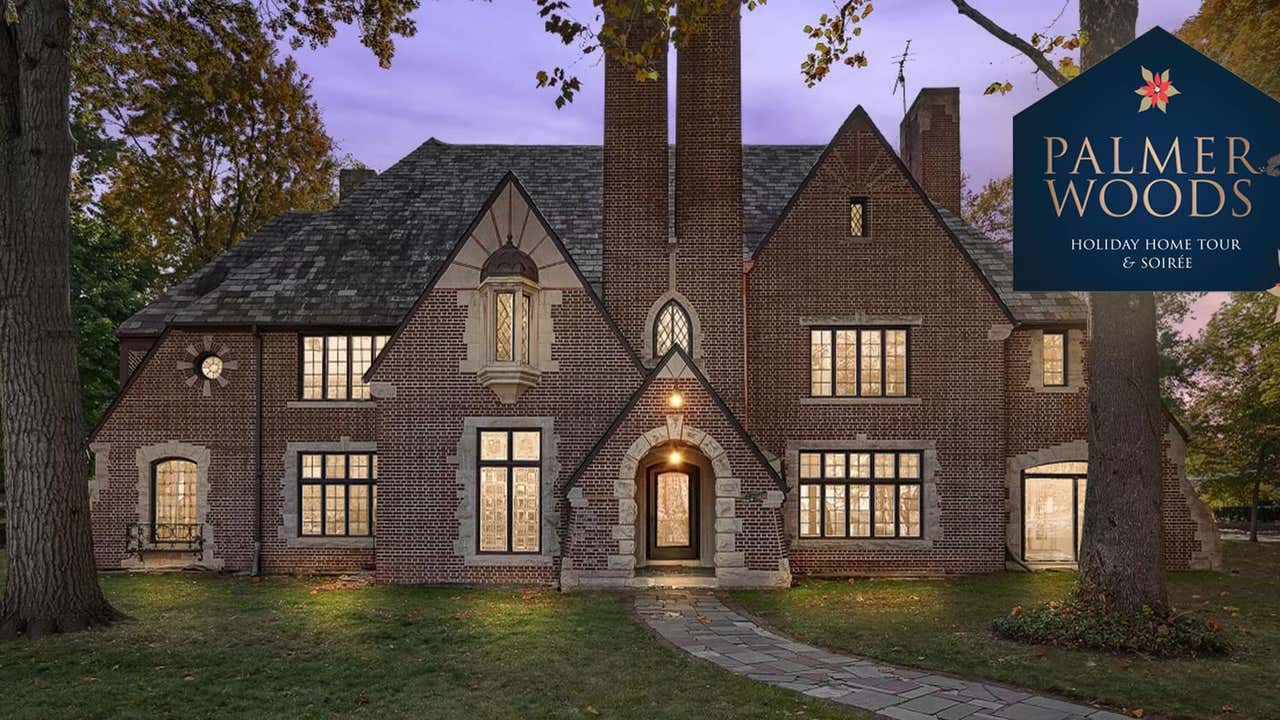
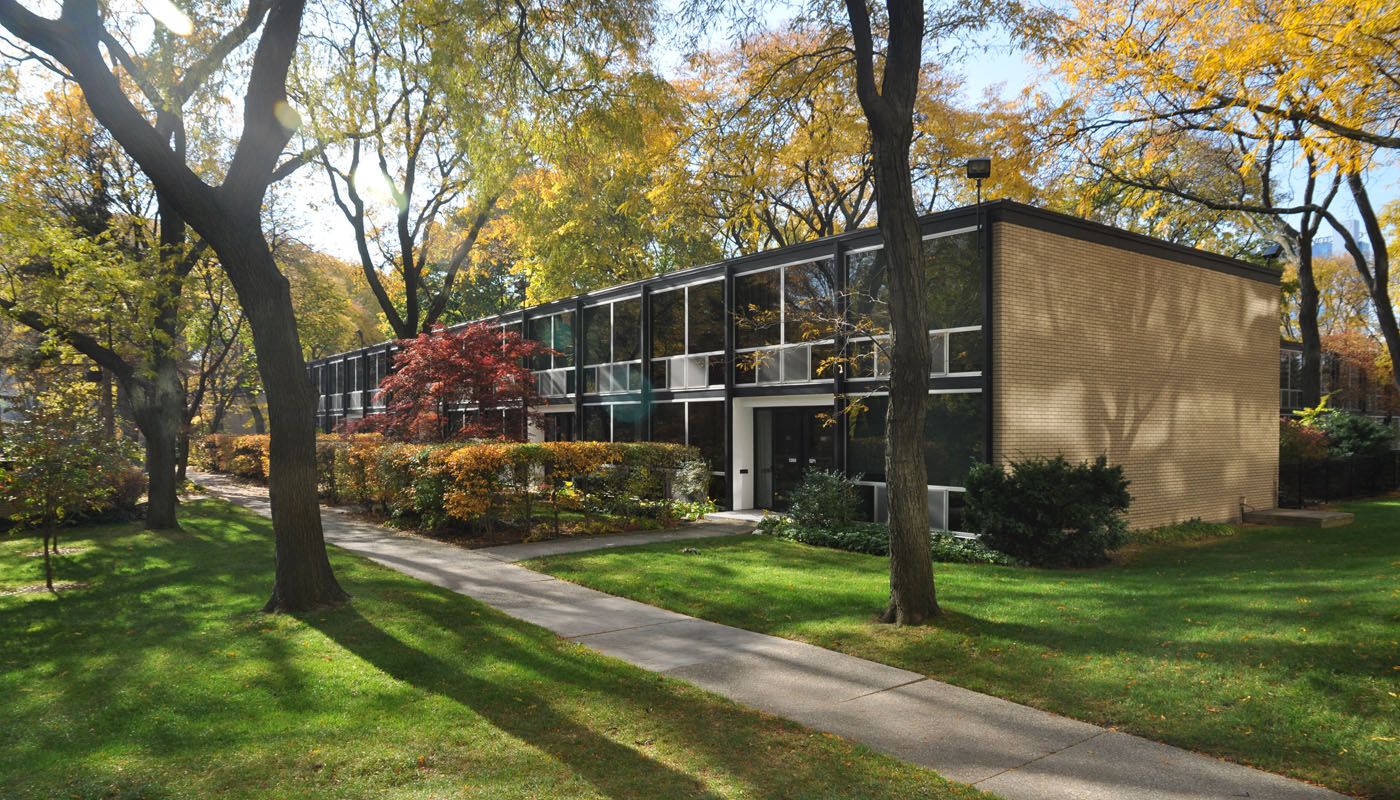
Just think for a moment about Mies van der Rohe’s Lafayette Park . . . the historic worker cottages of Corktown . . . . the Indian Village historic district . . . the grandeur of East English Village and Boston-Edison . . . the lush beauty of Palmer Woods and Sherwood Forest. . . the second life of Brush Park . . . the garden neighborhoods of Grandmont-Rosedale. . . the canal-laced Jefferson-Chalmers . . . the art-infused Mexican Town . . . and, again, many more.
A long, but probably unnecessary, embellishment to the thesis: firmly central to Detroit’s legitimate claim to stand among the world’s most iconic cities – by virtue of its racial, sociological, political, and economic evolution – is its stunning architectural heritage.
A high standard, but entirely appropriate, for how we think about the architectural and landscape expressions on another site of architectural distinction: Marygrove College and its campus.
Rip