Books are Not Dead, Part II
Good Friday afternoon, everyone:
Last night, I suggested that I felt compelled to offer a countervailing view to Rose Horowitch ’s Atlantic piece declaring that the book is dead. Let me offer a first installment
It seems sensible to start with people whose livelihoods are implicated by Horowitch ’s assertion. There, the evidence cuts against her grain.
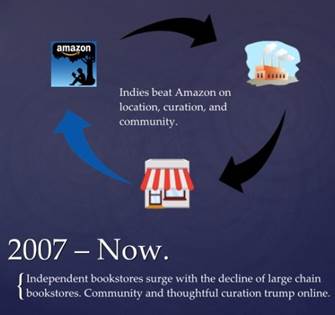
If reading were dying, one might think that there would be a steady increase in bookstore closings. The opposite is happening. According to the American Booksellers Association, the number of bookstore openings in 2025 increased by almost two times from 2024 – 605 bookstore businesses opened and only 65 closed.
If reading were dying, one might also think that fewer books would be entering commerce. Again, just the opposite is the case. The number of books with ISBN registrations that were published in the U.S. in 2025 rose by 1/3 from the previous year – to more than four million, some 85% self-published (the annual self-published output has grown roughly fifteenfold over the last fifteen years). This is, of course, a bit muddy: the vast bulk of new titles attract remarkably few readers.
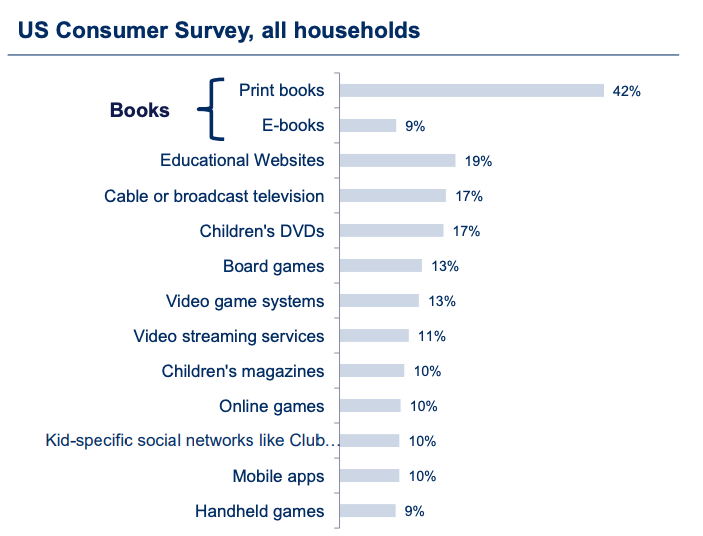
And, if reading were dying, one would expect to detect some indicators in libraries and schools. That doesn ’t seem to be surfacing.
The number of titles (including audiobooks, magazines, and comics) borrowed on public library apps worldwide rose 17% from 2023 to 2024 and 11% from 2024 to 2025. The usage is, moreover, being spread across more and more libraries – one source reported that more than 200 library systems, consortia, and school libraries surpassed one million digital checkouts.
And young people are borrowing at higher rates. The book apps report that the number of children and young people ’s titles borrowed rose nearly 10% from 2024-2025, and school checkouts rose some 15%. Hard to know whether those books were read, but it sure doesn ’t look like our younger generations are abandoning books.
None of this negates Horowitch ’s argument about our being in a post-literate society. Fewer in our society are reading on any given day. There is legitimate concern that we are witnessing a diminished ability to sustain attention to the written word. And one can concede her point that 20% of adults account for 80% of the nation ’s book reading.
The conclusion I might draw, however, is that the interest in books, in reading, is not going away anytime soon. Instead, it may be that this interest is concentrated – it may be that reading is alive and well among people who have access to it, who make room in their lives for it, and even who can afford it. And conversely, it may be that it is fading in people who don ’t.
That turns the challenge a bit inside-out. How do you ensure equity in who has the opportunity to read: ensuring the kind of access (continuing to elevate choice over censorship?), time (identifying ways that parents aren ’t so stretched that they can ’t read to their children?), and affordability (properly funding schools and libraries?) reading can require.

Rip