Beneath the Whimsy, a Quiet Wisdom: Pooh at 100
Good evening, everyone:
I thought I might as well make this books-of-wonder-and-delight week. Monday, the glorious children’s book Ocean of Stars . Tonight, visiting the 100 th anniversary of Winnie the Pooh, by A.A. Milne.
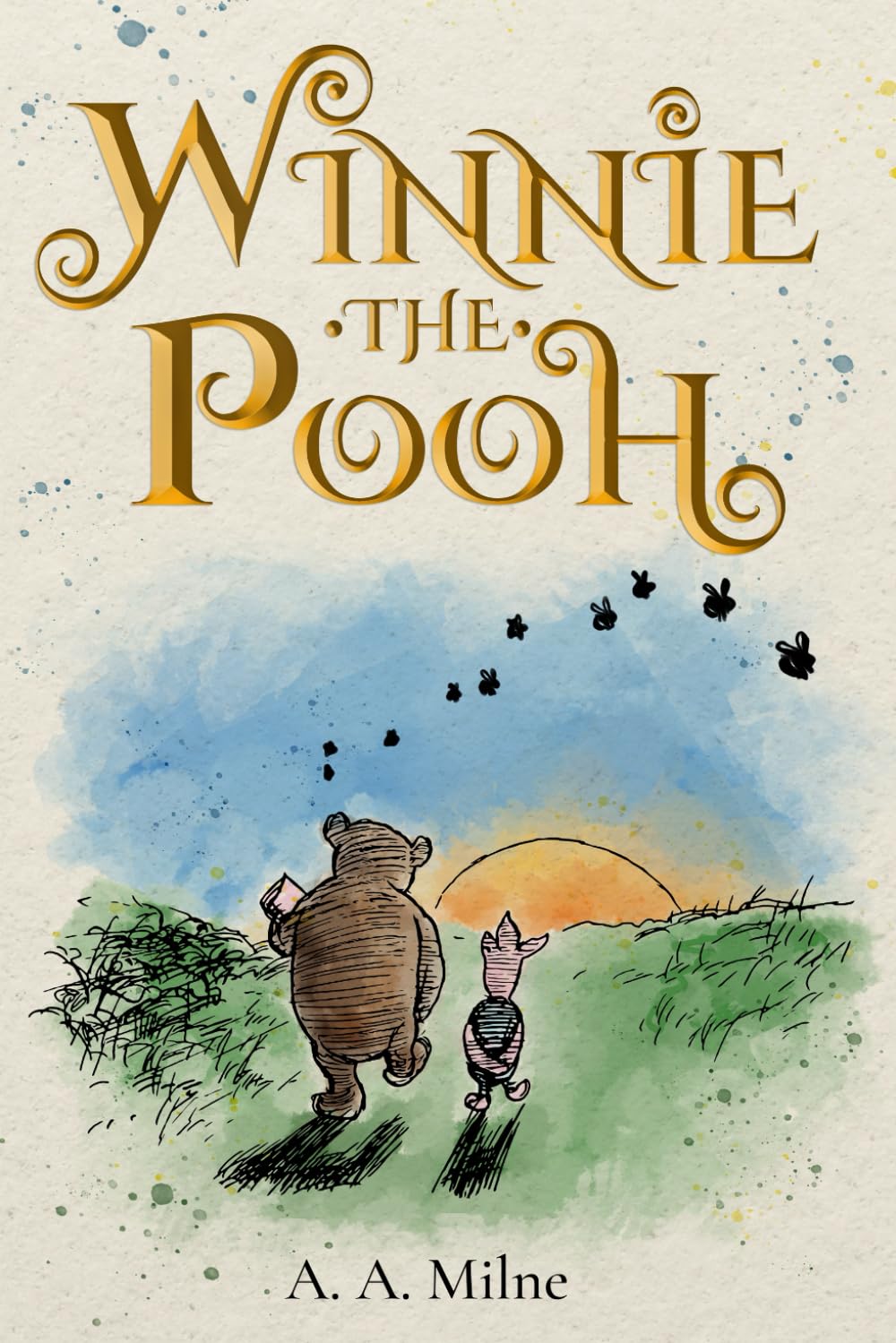
I’ve written previously that my mother was a librarian of children’s books. That made the early edition copy of Winnie the Pooh on our bookshelf deeply special. It was the gentle story of the philosopher brown bear Winnie, of course. But it was also the simple yet elegant drawings by E.H. Shepard. In combination, the words and pictures came to life and stayed in memory as lastingly as few books can do.
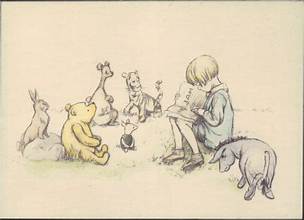
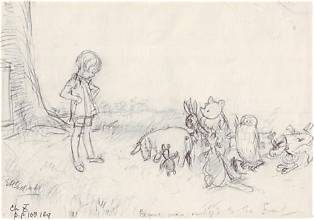
In the book, Christopher Robin is almost an afterthought. It is Winnie and his entourage who carry the magic: Eeyore the melancholy donkey, Rabbit who never met an opinion he couldn't improve upon, Piglet, Kanga, Roo and, eventually (in a later edition), Tigger. The creation of that world was genius. But so too was the writing. The animals and their Hundred Acre Wood habitat were alive and real.
The current media coverage of the book’s centenary has reminded us all that the central characters – Winnie and Christopher Robin – were based on real life.
In 1914, a young Canadian veterinarian named Harry Colebourn was preparing to depart for the European theater of the war when he encountered a trapper traveling with a small bear — not brown but black, not male but female. Colebourn persuaded the trapper to sell the bear for $20 and named her Winnie, after his hometown of Winnipeg.
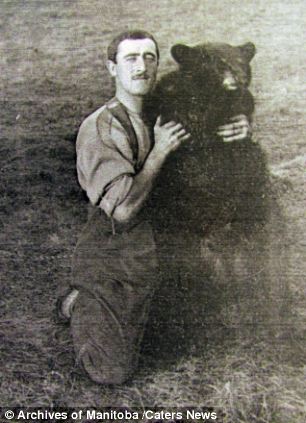
He took Winnie with him overseas to join his regiment, where she was immediately adopted by the entire unit.
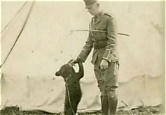
But when the regiment was scheduled to move to the front lines in France, Colebourn knew Winnie had to stay behind. He appealed to the London Zoo to take her in, and they agreed.
A bit later, a boy named Christopher Robin visited the zoo with his parents and met Winnie. The zoo-keepers would say that Winnie was the only wild animal they trusted completely – she permitted kids to ride on her back, pet her, and play with her. And there the fictionalized story began.
Revisiting Pooh is a reminder that beneath the whimsy lies a quiet wisdom. Pooh and his friends are imperfect, anxious, stubborn, fearful, impulsive, and more than occasionally utterly confused. Yet they manage, somehow, to create a community held together by affection, loyalty, and grace. Not a bad aspiration for the rest of us.
So, two Poohisms that seem so very apt to what we do:
-
- “Rivers know this: there is no hurry. We shall get there some day."
- "A little consideration, a little thought for others, makes all the difference. "
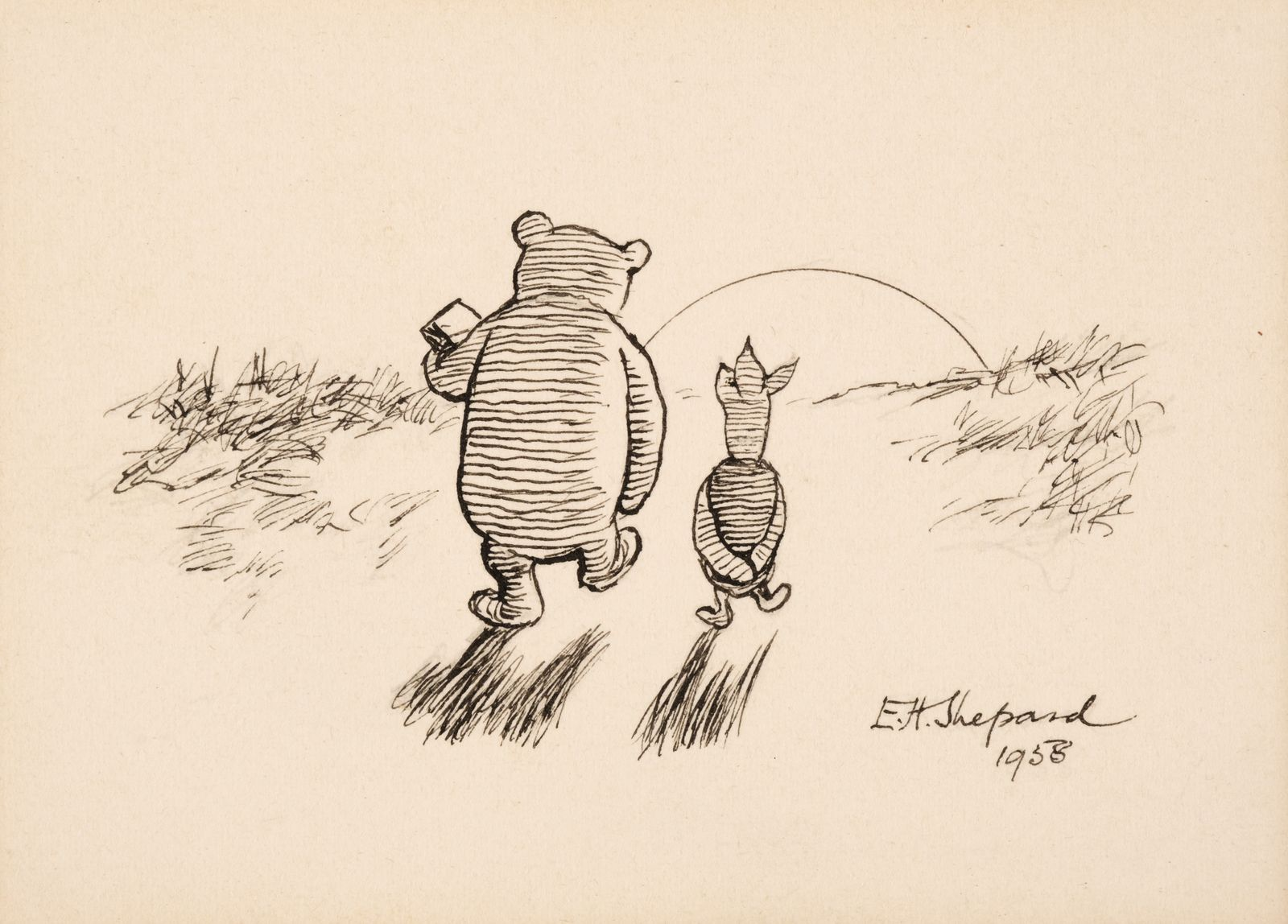
At Kresge, it is life imitating art.
Rip