Art on the Walls: Exploring the Wynwood Arts District
Good evening, everyone:
Chantel and I had the privilege of spending the first part of the week in Miami, first with Miami Foundation president Rebecca Fishman Lipsey and then with Miami-Dade County’s Mayor Daniella Levine Cava and her senior staff.
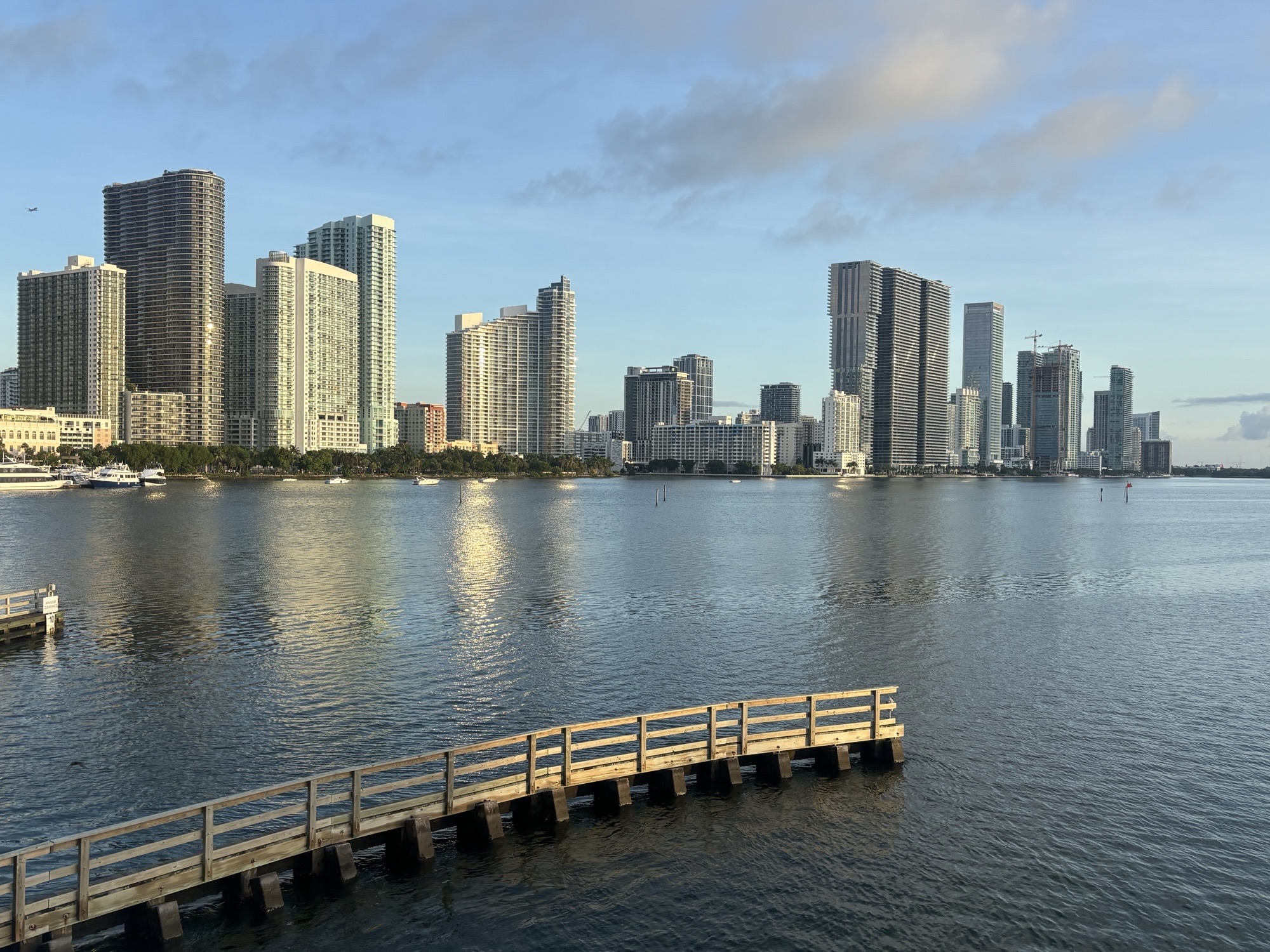
We’ll work up an encapsulation of some of the themes and take-aways, but tonight I wanted to simply reflect on a part of town that I wasn’t familiar with, except for its reputation for being a center of a half-dozen private art museums and the pizazz of the annual Miami Beach Art Basel extravaganza: the Wynwood Arts District.
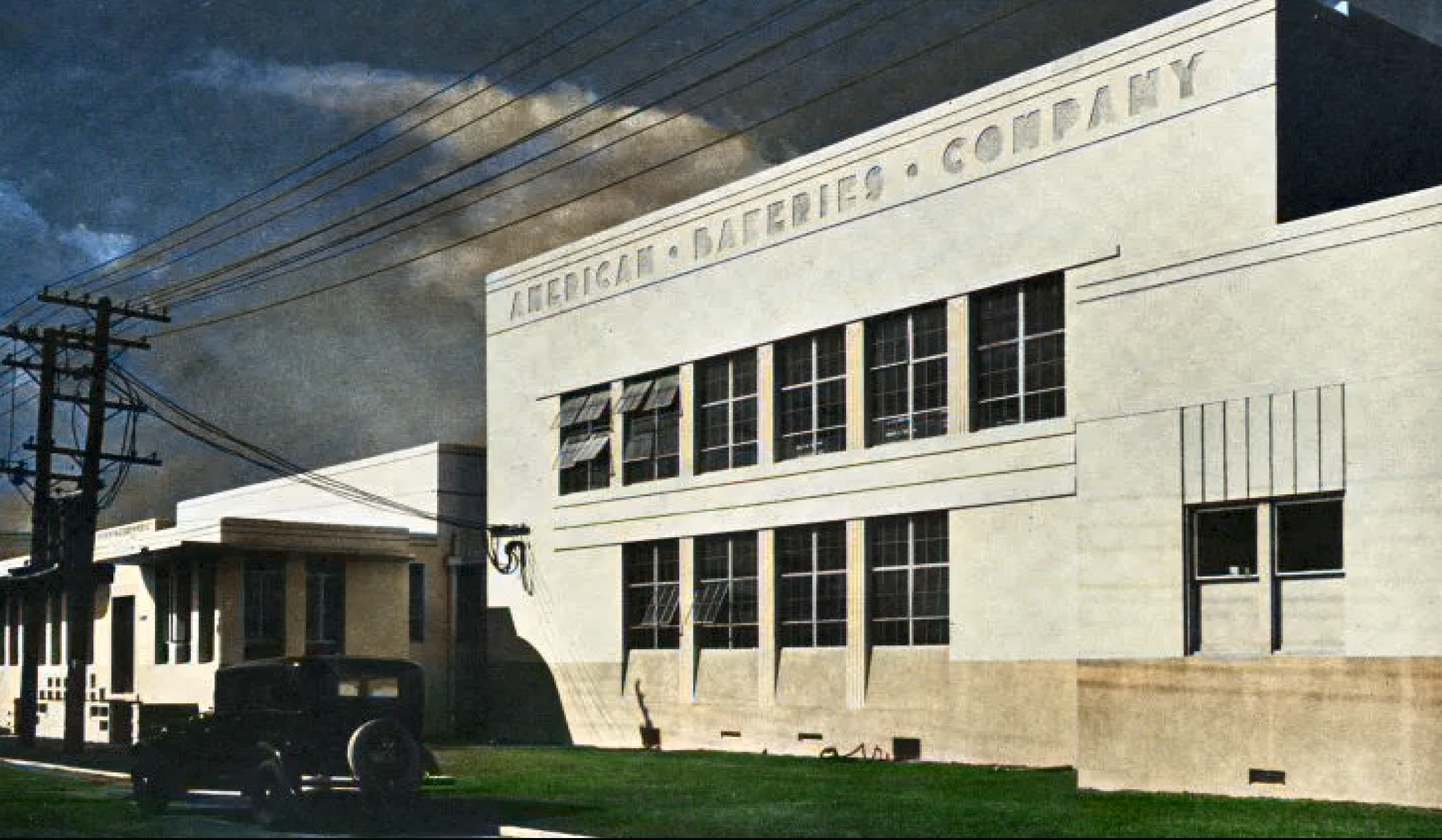
Until relatively recently, Wynwood was a powerful industrial center of the Miami economy. But the bakeries, logistics companies, garment businesses, and many other entities relocated throughout the 20 th century, leaving hulking warehouses, neglected storefronts, and abandoned offices. In the late 1980’s, though a group of artists purchased and renovated an abandoned bakery called the bakehouse and turned it into an artist collective of some 100 artists:
s
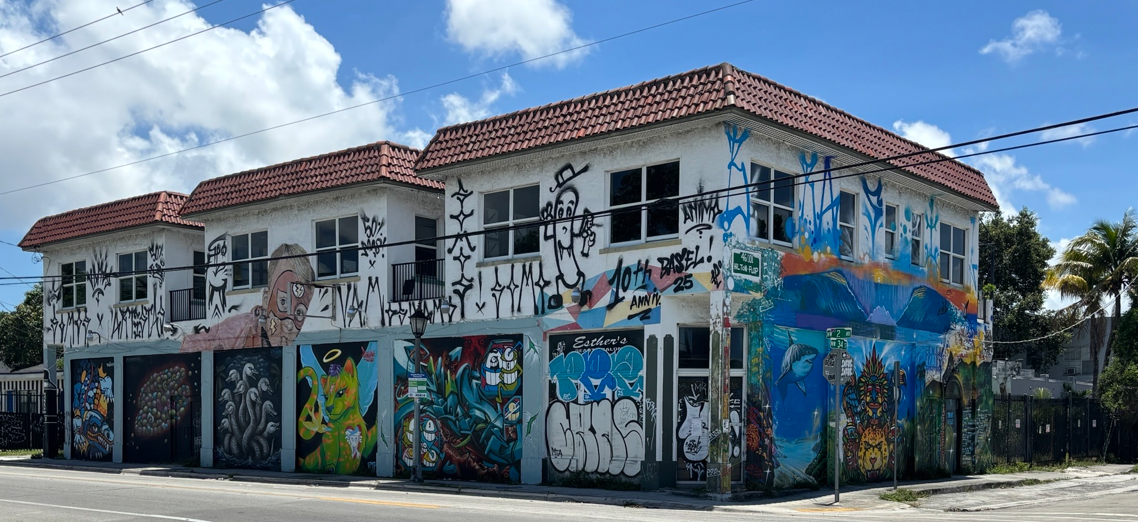
Twenty years later, the Goldman family, which had played a lead role in the revitalization of Miami’s South Beach, went on a real estate purchasing blitz. The seized on the idea that the rows upon rows of windowless warehouse buildings could become a canvas for street art. Twenty years later, the result is Wynwood Walls, in which street arts fill every inch of street-front property:
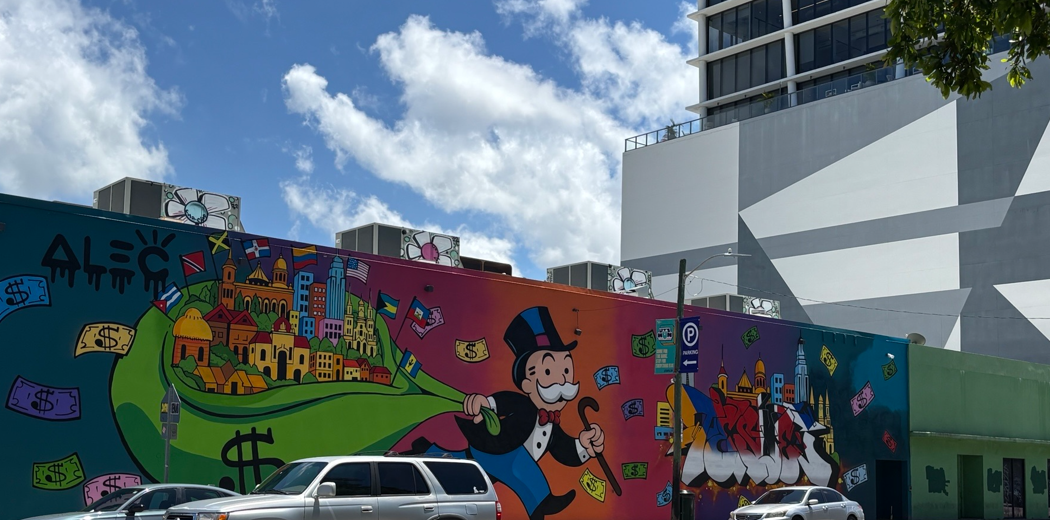
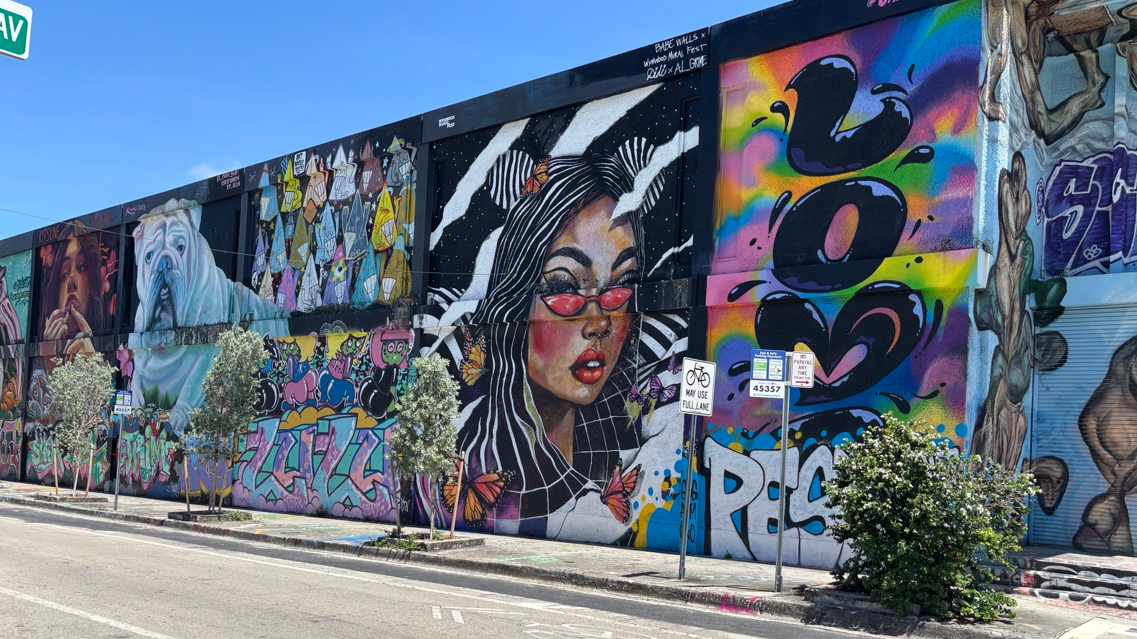
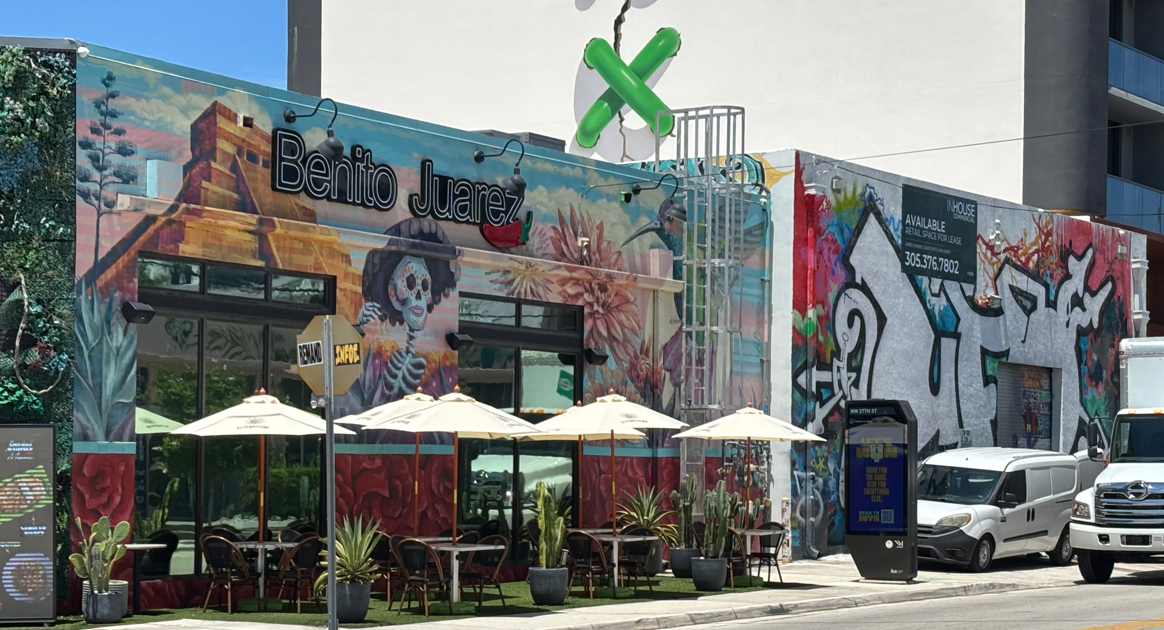
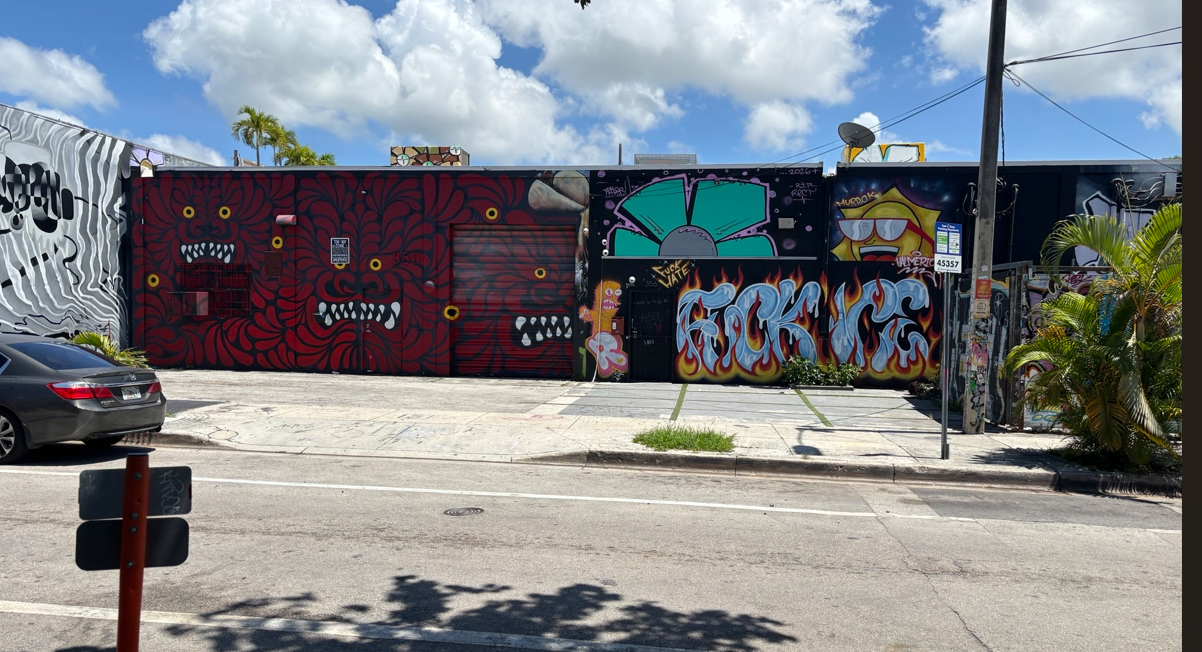
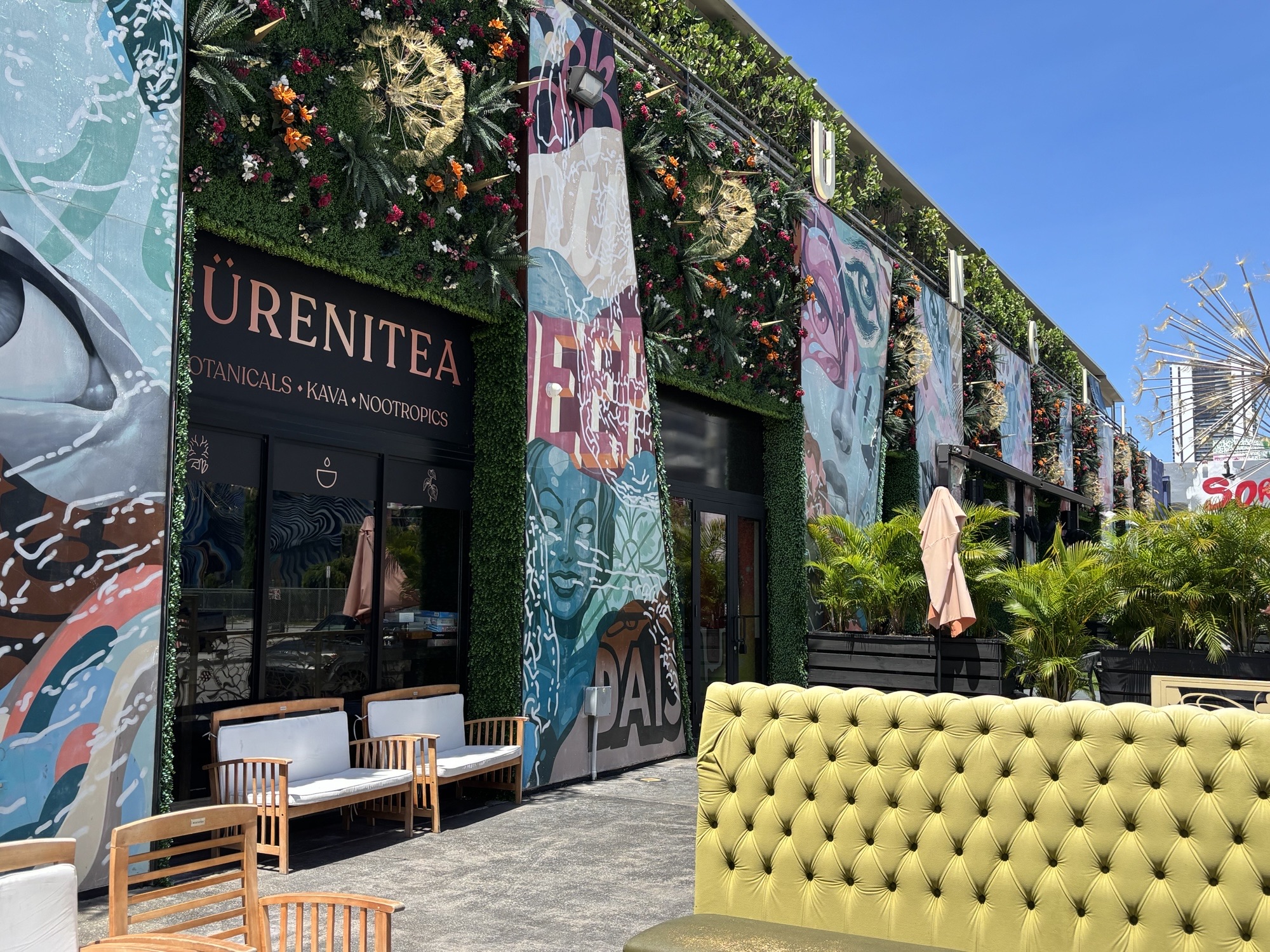
As I walked around Wynwood, it’s impossible not to sense accelerating gentrification: boutiques, restaurants, fitness clubs, and much more. But it is also impossible not to see and feel a grassroots authenticity as well: tens of bodegas selling convenience goods . . . small mercados selling groceries . . . bakeries that look like they’ve been passed through generations . . . very modest homes . . . lots of people of all walks of life on the streets . . . flower stores . . . and on and on.
It’s a difficult, and ongoing tension: the cultural and artistic energies that attracted the investments in high-end goods and services being forced out. Indeed, Wynwood was formerly known as "El Barrio, " a traditionally Puerto Rican area of Miami; some of that remains, but with rents outpacing the ability of low-income households and traditional businesses to meet them, the future seems to be one of increasing displacement – both residential and cultural, as more contemporary commercial expression threatens to substitute for, consume, or at least marginalize, the neighborhood’s working class Latino cultural traditions.
One can only hope that the two dimensions of Wynwood can find an enduring equilibrium. But it’s a bit hard to be optimistic.
Rip